
The New Guard
A diverse generation of highly trained leaders is stepping up to redefine Arizona’s philanthropic future.
It can be tough to spot a sea change. Sometimes the world shifts subtly; other times, with force. But it always shifts.
The Valley’s nonprofit community is no different, particularly during times of uncertainty. And given the region’s relative youth as a major metro area, many of those who were at the forefront of shaping our community’s growth are now transitioning into other phases of life.
But the civic sector adapts — and, most importantly, learns.
Over the past few years, Arizona’s nonprofit and philanthropic landscape has experienced a period of leadership changes. Several of the state’s most influential foundations — including the Arizona Community Foundation, Maricopa Community Colleges Foundation, Virginia G. Piper Charitable Trust and others — have installed new CEOs or presidents, as have numerous Arizona nonprofits. These transitions often mark more than routine personnel changes — they reflect a broader shift in leadership across the state’s civic sector.
What’s emerging is not just turnover, but a generational handoff — one defined by formal training, broader representation and a more intentional approach to civic leadership.
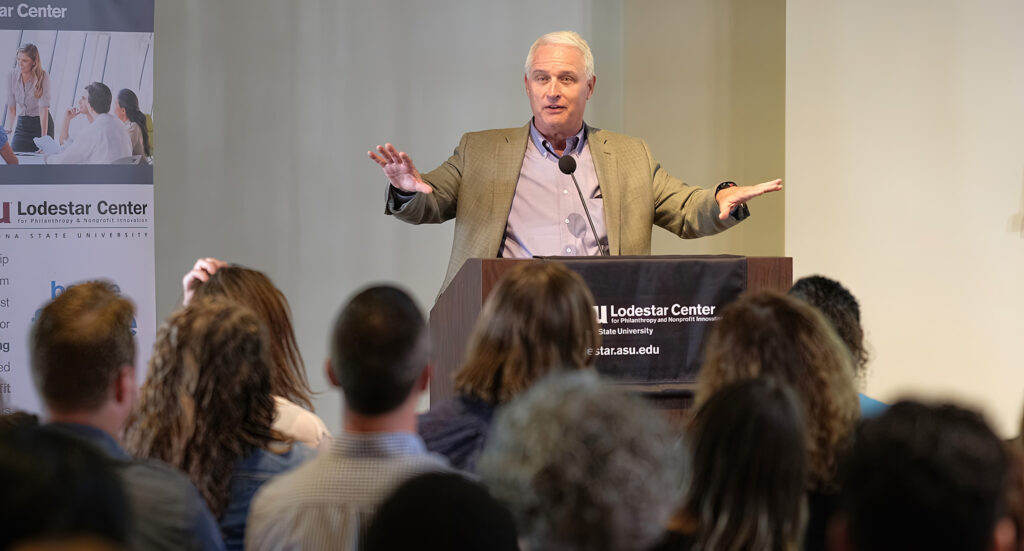
Robert Ashcraft, the executive director of the Lodestar Center for Philanthropy and Nonprofit Innovation at Arizona State University, has seen a lot in his time working with Valley nonprofits. He said there’s a wave of leadership change underway, but it’s not unlike what he’s seen in the past.
“I’ve been at this a while,” he said. “There have been various waves over the years, if you think about it, relative to people going into retirement or otherwise leaving the nonprofit sector. That’s not unusual. That’s happening across every industry.”
But what is happening now is that younger nonprofit leaders are ascending to these roles with more training and expertise than ever before.
Across Arizona, leadership-development and civic-engagement programs are helping channel new talent into nonprofit and community leadership roles. The Flinn–Brown Fellowship, the Piper Academies and Piper Fellows program, Valley Leadership and several other programs are working to position the next generation of community leaders for success.
Together, these programs create a statewide leadership pipeline, from early-career civic engagement to executive governance, equipping younger and more diverse professionals with experience, networks and skills, and steadily rejuvenating Arizona’s nonprofit sector with new perspectives and energy.
“We’re quite the envy of many other regions,” Ashcraft said. “We have leadership development from entry level all the way to advanced executive leadership.”
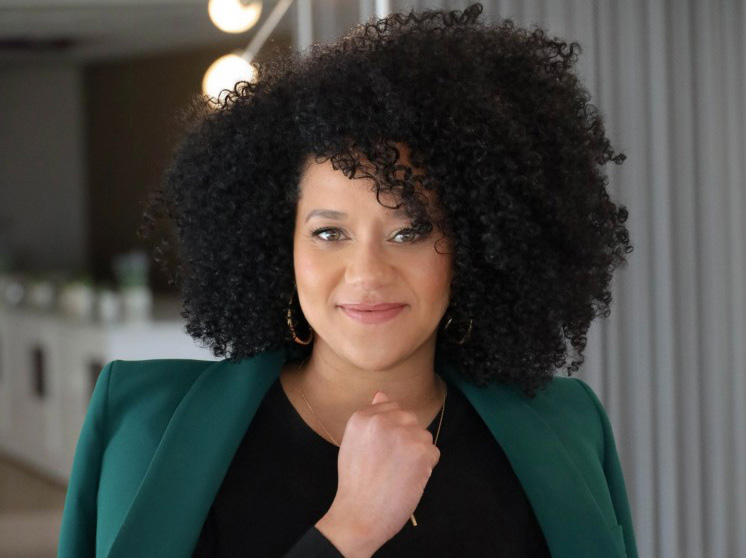
Valley of the Sun United Way, for example, has a list of past board members and presidents that is a who’s who of the Valley business community — leaders like John Graham (featured in this issue), Don Smith, Phil Francis, Jerry Colangelo and many others. But the past and current board chairs of United Way — Jenny Holsman Tetreault and Latasha Causey, respectively — are under 50 years old.
“I do feel like I am seeing a much younger demographic of leaders getting involved in leadership roles on nonprofits, either as part of the executive leadership team, a committee leader or even a board chair,” Causey said. “This is a very positive thing as younger leaders are not only learning from those who came before us, as they are also still on the board and just a wealth of knowledge.”
And the leadership is getting more diverse. According to a 2023 survey by the ASU Lodestar Center, 20 percent of responding nonprofits now have a CEO of color, up from 12 percent just two years earlier — while women lead 65 percent of organizations. These shifts indicate that long-standing leadership patterns are evolving, with newer, more diverse leaders assuming top roles and bringing fresh perspectives.
These leaders are benefiting from the learned experience of those who came before them, who have helped create a curriculum of best practices for nonprofit leaders to follow.
“There are core principles and competencies that matter across the board — board governance, resource development, measuring social impact, developing and implementing programs. There are now processes and protocols that simply weren’t taught 40 years ago,” Ashcraft said.
Despite uncertain economic times, Ashcraft thinks the philanthropic landscape is stronger than ever, thanks to the quality of leadership in place.
“It’s a very difficult time,” he said. “Leaders are under enormous pressure — mentally and physically. And yet, when you pull the lens back, this sector has been incredibly resilient.”
That resilience, increasingly, is being carried forward by a new generation — trained, diverse and ready to lead.

Tom Evans is Contributing Editor and Chief Operating Officer of Frontdoors Media.