
Beyond the Bell

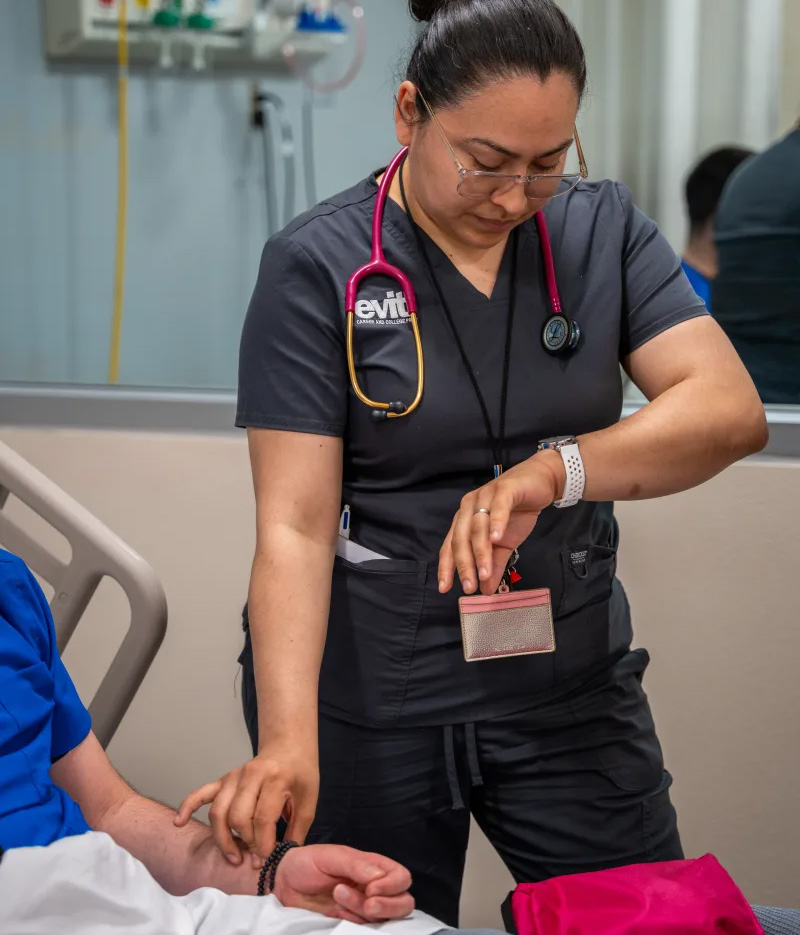
Walk the East Valley Institute of Technology campus on any given afternoon and the traditional classroom is nowhere to be found. Chefs plate dishes, automotive students work beneath lifted cars, and nursing students run simulations. The clock on the wall? Almost beside the point.
That’s exactly how EVIT Superintendent Chad Wilson likes it. He is part of a quiet but powerful shift in Arizona: a move toward measuring learning by mastery, rather than “seat time.”
Launched in early 2026 by Center for the Future of Arizona and the Arizona Institute for Education and the Economy at Northern Arizona University, with support from the national nonprofit KnowledgeWorks, the Permission Granted initiative delivers a liberating message: Significant flexibility to reimagine education is already written into state law.
From Idea to Action
“Permission Granted is about how we help Arizona schools use the flexibility they have to better support student success,” said Amanda Burke, Ed.D., executive vice president of CFA, who has spent nearly 17 years working at the intersection of education policy and practice in Arizona. “It’s about helping Arizona move from flexibility on paper to real change for students.”
The initiative gives educators two practical tools to make that happen. The Policy Primer translates Arizona’s education statutes into plain language, spelling out exactly where schools have room to rethink scheduling, staffing, dual enrollment and instructional time. The Innovation Guide pairs that policy clarity with real-world examples from 11 Arizona school systems already putting these flexibilities to work. The idea is to move educators from a mindset of “we can’t” to “we already can.”
“What we consistently hear from Arizonans, over two decades of survey research, is that they want every student to have access to a high-quality education that prepares them for what comes next,” Burke said. “And they’re open to doing things differently.”
Peter Boyle, CFA’s senior director of education and a fourth-generation educator who spent six years as a school principal, is overseeing the rollout across more than 75 Arizona districts. He sees four common barriers to change: not knowing what’s possible, not being sure it’s allowed, not being able to picture what it would look like, and lacking the push to act. Permission Granted, he says, is designed to remove all four.
“If these resources just live online or collect dust on a bookshelf and are not catalyzing action, then we haven’t succeeded,” Boyle said. Just two weeks after the launch, more than 150 partners attended a CFA convening to dig into the work. “That’s a great first signal that there’s an appetite from the field for this type of work.”
Mastery Over Minutes
Wilson illustrates the “seat time” flaw by showing a student who struggles in high school geometry but excels in EVIT’s construction program. “The issue wasn’t that he couldn’t understand math,” Wilson said. “It was that the way he was being taught math wasn’t most conducive to how he learns it best. He learns contextually, based on application, not just regurgitation.”
That realization has shaped everything Wilson has done at EVIT, including a decision that raised a few eyebrows. He moved away from traditional admission criteria, such as minimum GPAs and disciplinary records. Enrollment has since soared from 2,300 students to 9,000.
And those students who would previously have been turned away? In the first year of open enrollment, they performed comparably to their peers. “Just because a student has less than a 2.5 GPA doesn’t mean they’re not going to flourish here,” Wilson said. “Why would we not open that opportunity for them?”
Finding the On-Ramp
When Wilson came across Permission Granted, he recognized something familiar.
“It was wonderful to see not only other strategies that others are using, but also to see that we’re not the only ones looking for them,” he said. “Sometimes in education, you go out on a limb and think, ‘Am I the only one out there?’ And then you realize there’s this body of work being done through CFA, through NAU, through all these big agencies that are supporting the approach we’re wanting to take.”

EVIT now offers pathways leading to associate degrees in surgical technology and registered nursing, with more in the pipeline. This is a pathway that matters not just for credentials, but for students who arrive not seeing themselves as college-bound and leave thinking differently.
“There’s a lot that we think can’t be done until we realize it actually can,” Wilson said.

Building the Foundation
In Phoenix, flexibility starts at preschool.
Phoenix Elementary School District #1 has been around longer than Arizona itself. Founded in 1871, before statehood, it’s the oldest public school district in the state, with 15 schools serving preschool through eighth grade in the heart of downtown Phoenix.
Deborah Gonzalez, who became superintendent in 2024 after serving nearly four years as the district’s chief academic officer, is using that long-established institution to test something decidedly forward-looking. With nearly 40 years in education — from Washington State to Phoenix Union to ASU Preparatory Academies — she brings both deep experience and a fresh perspective.
When an email about Permission Granted landed in her inbox, she didn’t file it away. She read it carefully, then brought it to her cabinet. “I thought, oh, that’s really interesting,” she said. “How does this play into what we’re trying to do?”
It turned out the answer was: quite a lot. The district had already launched a five-month “reimagine” process with more than 250 community stakeholders. Permission Granted gave that work a policy backbone.
Careers Start in Kindergarten
The shift isn’t limited to high schools. In Phoenix Elementary School District #1 Gonzalez is using Permission Granted to back a “reimagine” process for her 15 schools.
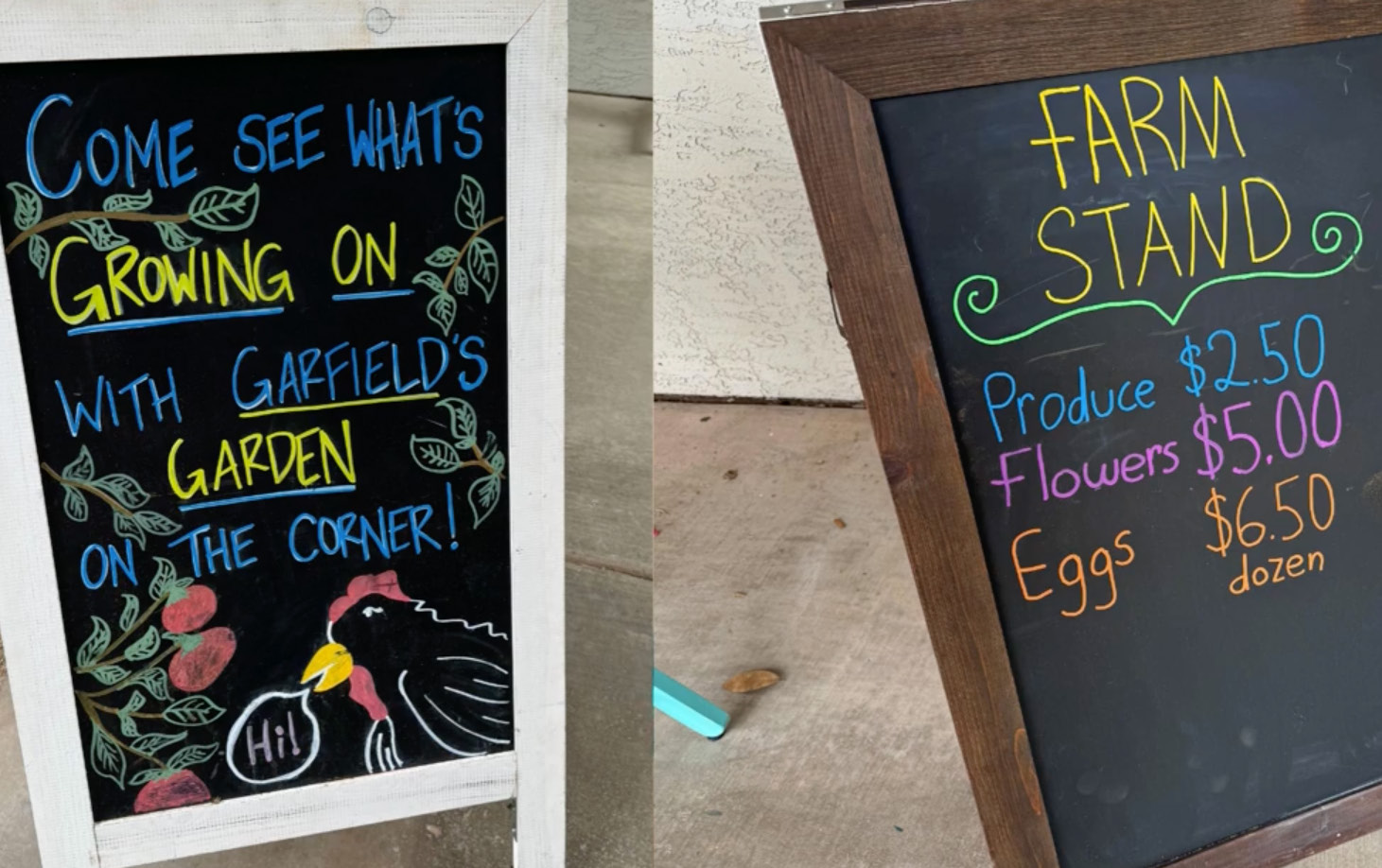
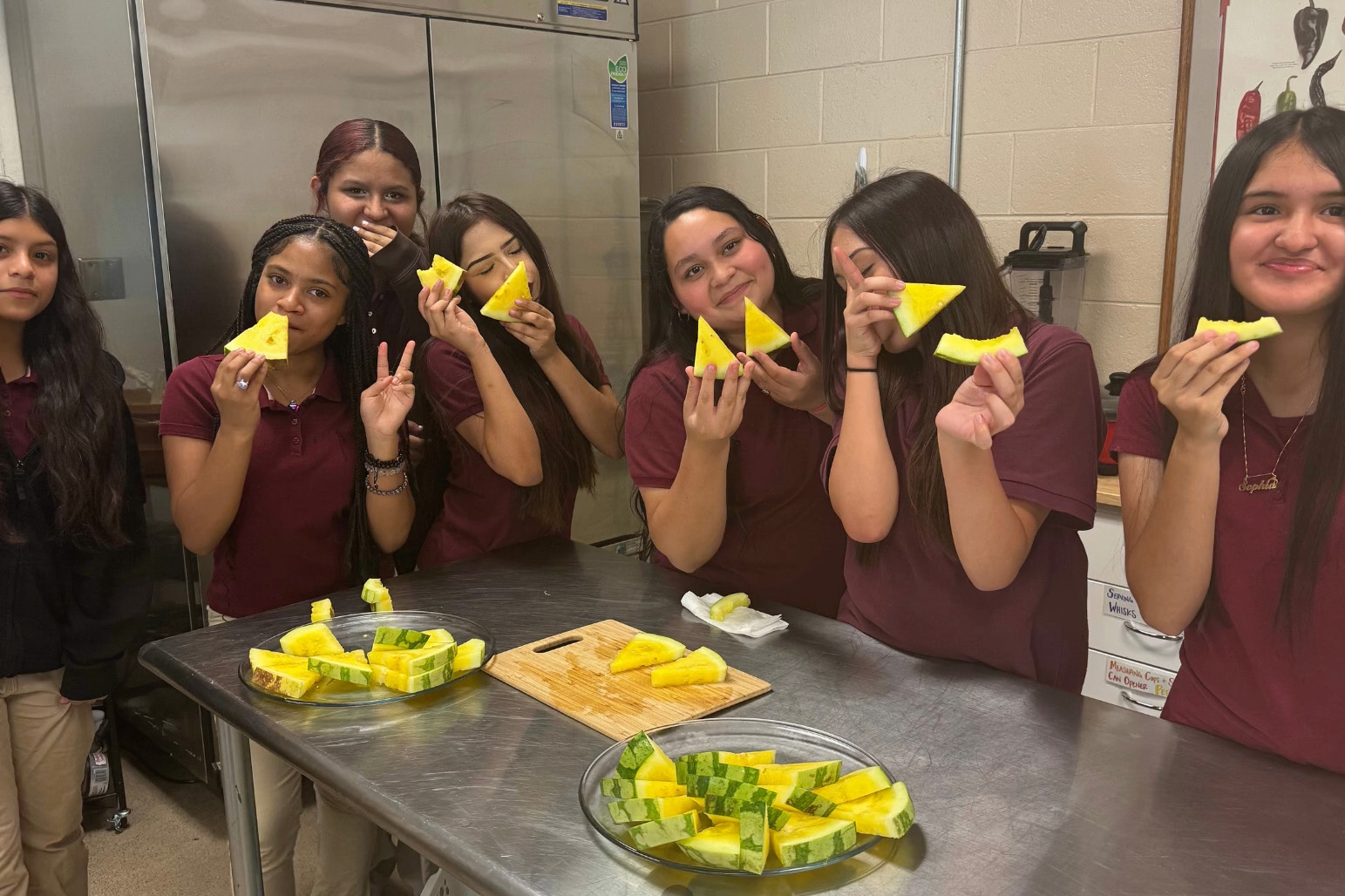
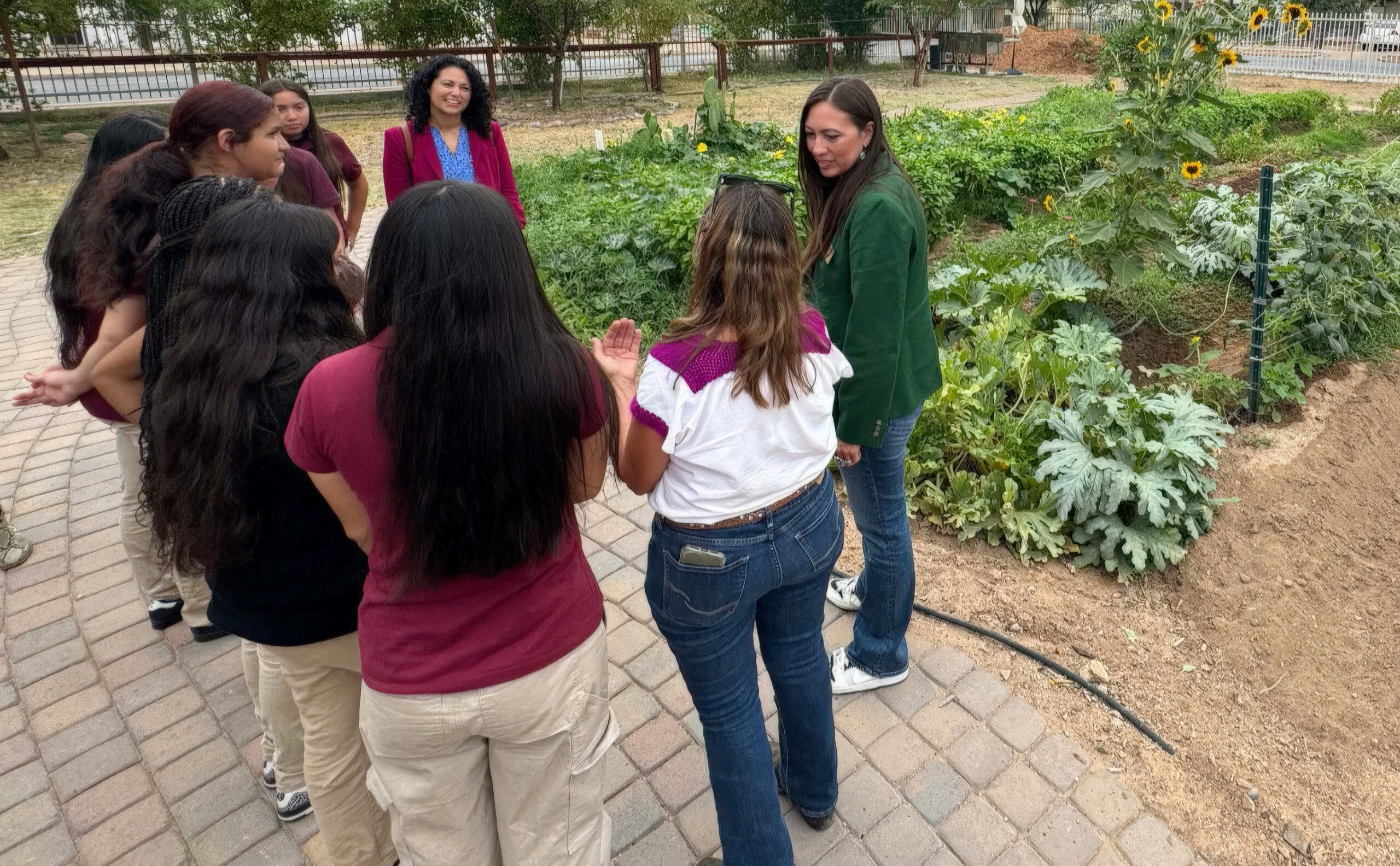
At the Edison Zoo School, a K-4 program built in partnership with the Phoenix Zoo, students aren’t just learning about orangutans; they’re designing enrichment activities for them and working alongside primatologists. At Garfield Elementary, a nationally recognized garden program teaches entrepreneurship, culinary arts and nutrition.
“Think about a fourth grader being engaged at that level,” Gonzalez said. “Truly hands-on, minds-on, practical learning.” With 81 percent of her students from low-income families, Gonzalez views this as an equity issue.
“If we relegate our programming to drill and repetition, our students become disenfranchised. And we can’t afford for whole groups of students to become disenfranchised with learning,” she said. “Those are the kinds of things that, if we aren’t providing them, we’re just going to continue to create a greater and greater divide between the students that have and the students who don’t.”
All Things Are Possible
What makes Permission Granted different from most education reform efforts is what it doesn’t ask for: no new legislation, no new funding, no reinvention of the wheel. Instead, it asks educators to take a closer look at the flexibility already built into the system.
“The most durable kind of change is the kind that doesn’t depend on a single policy or a single program,” Burke said. “What’s really different about this is that it’s about recognizing that Arizona already has the conditions: flexibility in policy, strong educator leadership and a shared vision for student success. The risk isn’t that those conditions go away. The risk is that we don’t fully use them.”
In practice, that looks like a preschooler in downtown Phoenix designing a toy for an orangutan, or a high school student who arrives at EVIT with a 2.1 GPA and leaves with a cosmetology license, a career pathway and a plan to fund what comes next. The evidence is already accumulating in Arizona classrooms. Permission Granted is simply making sure the rest of the state gets to see it.
“At the end of the day,” Wilson said, “many of the barriers are self-imposed. They can be broken down if we’re just willing to be creative and innovative and persistent. In Arizona’s K-12 public education, all things are possible — if we’re willing to look for solutions.”
Learn more at permissiongrantedaz.org and arizonafuture.org.
