
Banking on Valley Nonprofits
LISC Phoenix is transforming Valley neighborhoods by investing in community-led change.

Nonprofits may be mission-driven, but they are also businesses. It’s often costly to make a difference in the community and move the needle in key areas of need. So it’s critical that the nonprofit community works together with the private sector and foundations to make their programs and initiatives work.
And when those nonprofits can make the connections they need, their chances of success increase. That’s where organizations such as LISC Phoenix come in.
For more than three decades, the Local Initiatives Support Corporation (LISC) has quietly transformed communities across the country — and in Phoenix, that transformation is both deep and visible.
As one of the largest community development financial institutions (CDFIs) in the United States, LISC channels billions of dollars into projects that strengthen neighborhoods, expand affordable housing and build community health and stability.

LISC invests roughly $2 billion annually through 40 local offices and a national rural program. It functions much like a bank — making loans and equity investments in community development projects — without taking deposits.
But while its financial scale is impressive, LISC’s mission is about much more than capital.
“Outside of the banking side, we’re considered an intermediary, which means we do capacity building for nonprofits,” said Terry Benelli, senior executive director of LISC Phoenix. “We do grantmaking for nonprofits and we teach them best practices from what we’ve gathered across the United States.”
LISC Phoenix has been part of that mission for 33 years. To get it started locally, the community had to raise about $3 million in initial investment dollars. But the return on investment has been significant. Last year alone, LISC Phoenix invested $120 million in the community.
That investment supports everything from affordable housing and small business development to programs addressing what Benelli calls the “social determinants of health” — the community conditions that influence people’s well-being.
“We’ve been involved in childcare centers, particularly those that serve low-income families, affordable housing and a lot of work around what we call healthy communities,” she said.
Every LISC market operates differently, tailored to local needs. “We’re different in every community,” Benelli said. “The pillars of work that we do here in the Phoenix market are much different than every other market.”
Nationally, LISC runs about 10 core programs. Each local executive director determines which national strategies best fit local needs.
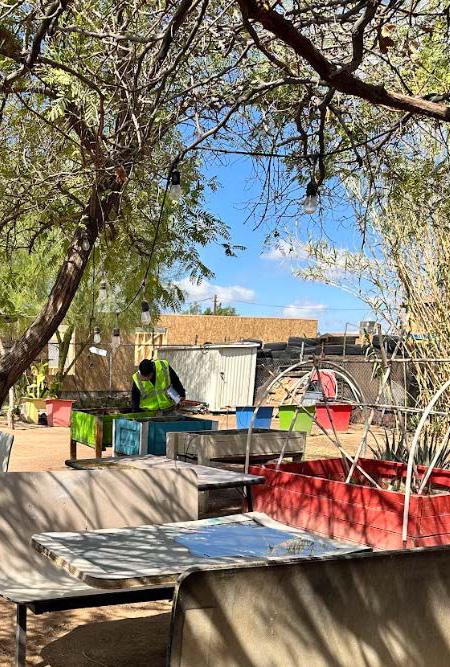
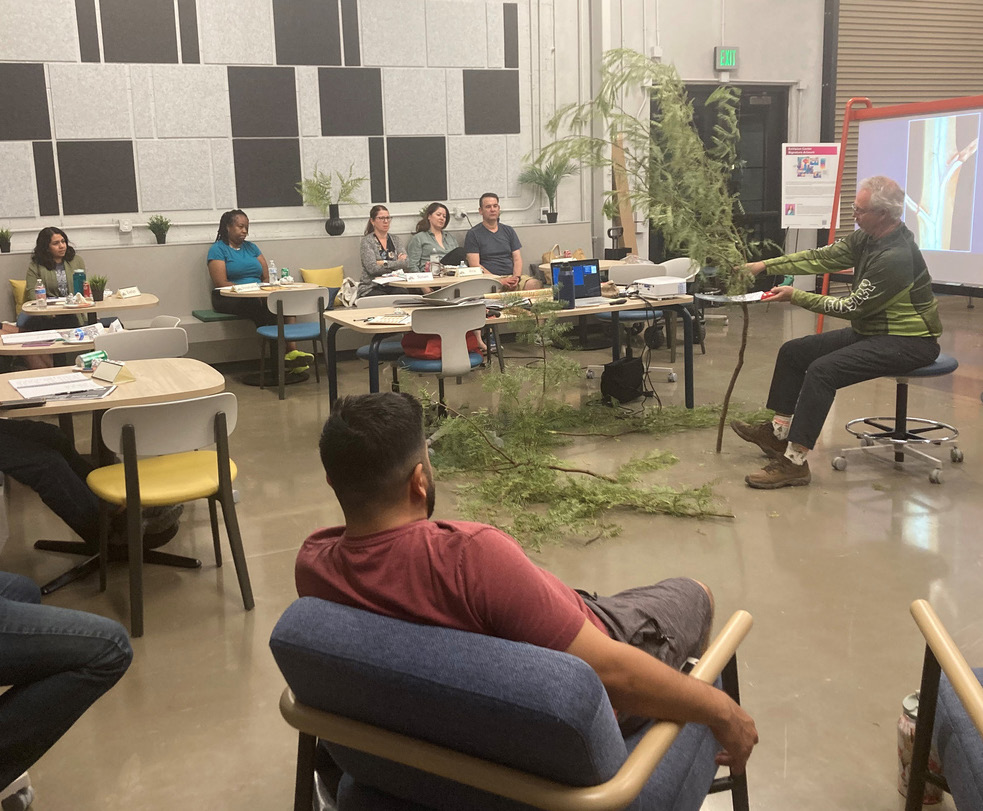
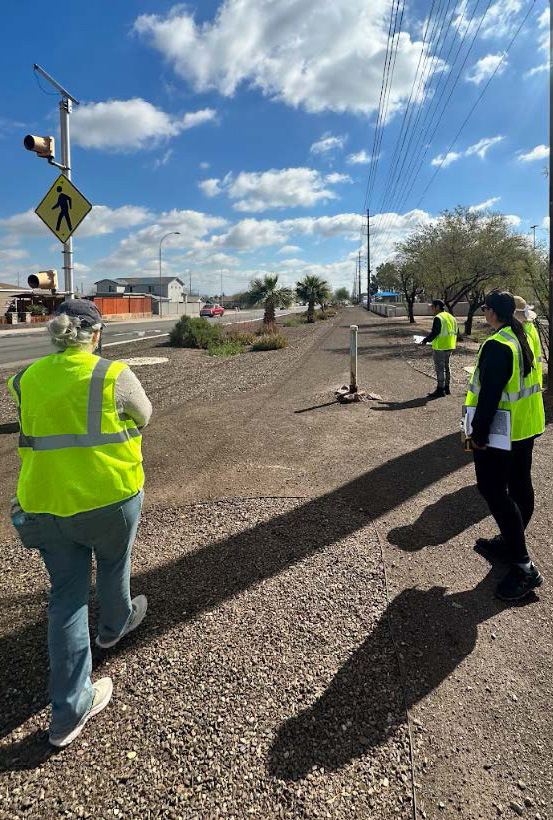
Through walking audits and planning sessions, LISC supports resident-led change in Guadalupe, which resulted in a transformed park for community celebrations.
“We don’t take our products and put them on the community,” Benelli said. “The community comes to us. It’s got to be driven by them, because that’s the only way that things are going to be sustainable.”
That philosophy has made LISC a key partner in innovative efforts to address housing and healthcare together — especially for vulnerable populations. One of the organization’s major ongoing efforts is a “housing as healthcare” initiative, which recognizes the clear link between stable housing and reduced healthcare costs. For instance, a stable home reduces costly emergency room visits for chronic conditions often exacerbated by living on the streets.
“We’ve distributed $12.3 million in grants to get 2,000 units of affordable housing built in the last five years,” Benelli said. “Our housing projects don’t just provide shelter — they include services that impact social determinants of health, such as financial literacy, education, employment assistance and green space.”
The initiative has been particularly effective in working with managed care organizations to use Medicaid funding in creative ways.
“If we house someone experiencing homelessness, their healthcare costs drop, which benefits the insurance providers,” Benelli said. “So we went and talked to seven insurance organizations and said, ‘What if you all use that money for grants to get these projects out of the ground and get people moved into affordable housing so they’re not living on the street and costing you a fortune as clients?’”
LISC’s community-driven approach also shows up in smaller, neighborhood-level projects. In the town of Guadalupe, for example, LISC partnered with Fiesta Bowl Charities, State Farm and a local community development corporation called Rail CDC (Retail, Arts, Innovation & Livability) to restore a public park and work with residents to plant trees. One of the results is a revitalized park that now serves as a gathering place for local families, with vendor markets and cultural events that celebrate Guadalupe’s Indigenous roots.
“We’re helping the community at their request,” Benelli said. “That’s what makes it sustainable.”
Looking ahead, LISC Phoenix is expanding its “housing as healthcare” focus through a major new project in partnership with Circle the City, which provides health services for individuals experiencing homelessness.
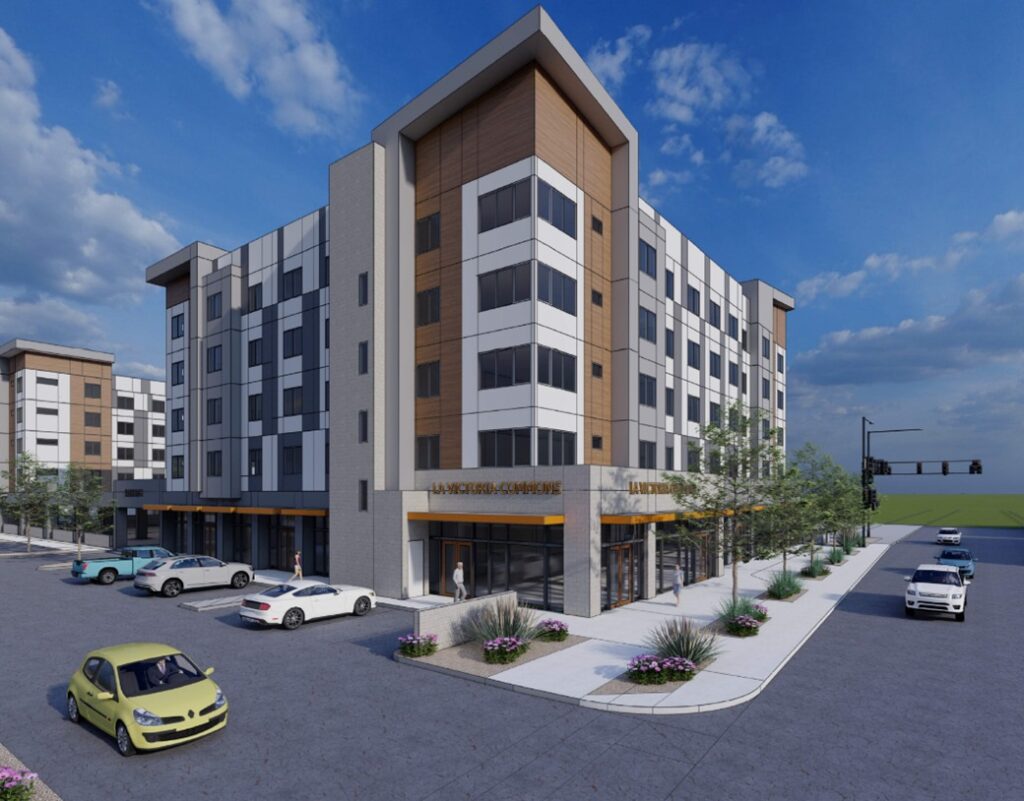
The project reflects the kind of creative, equity-based financing that has become a hallmark of LISC’s work.
“This connects healthcare and community with equity investment,” Benelli said. “It’s an innovative way to expand without traditional fundraising — and that’s what makes it so powerful.”
For Benelli, success isn’t just built on capital; it’s built on trust. “We know the neighborhoods. We know what the community wants,” she said. “And we know what investments are going to be successful because the community is asking for them.”
This deep neighborhood connection, combined with pioneering projects like the Circle the City partnership, does more than just fund development. It forges a new, sustainable framework for the city’s future — one where community health and stable housing are recognized as one and the same.
To learn more, visit lisc.org/phoenix.

Tom Evans is Contributing Editor and Chief Operating Officer of Frontdoors Media.