
Phoenix Art Museum Receives Landmark Gift of Indigenous Art
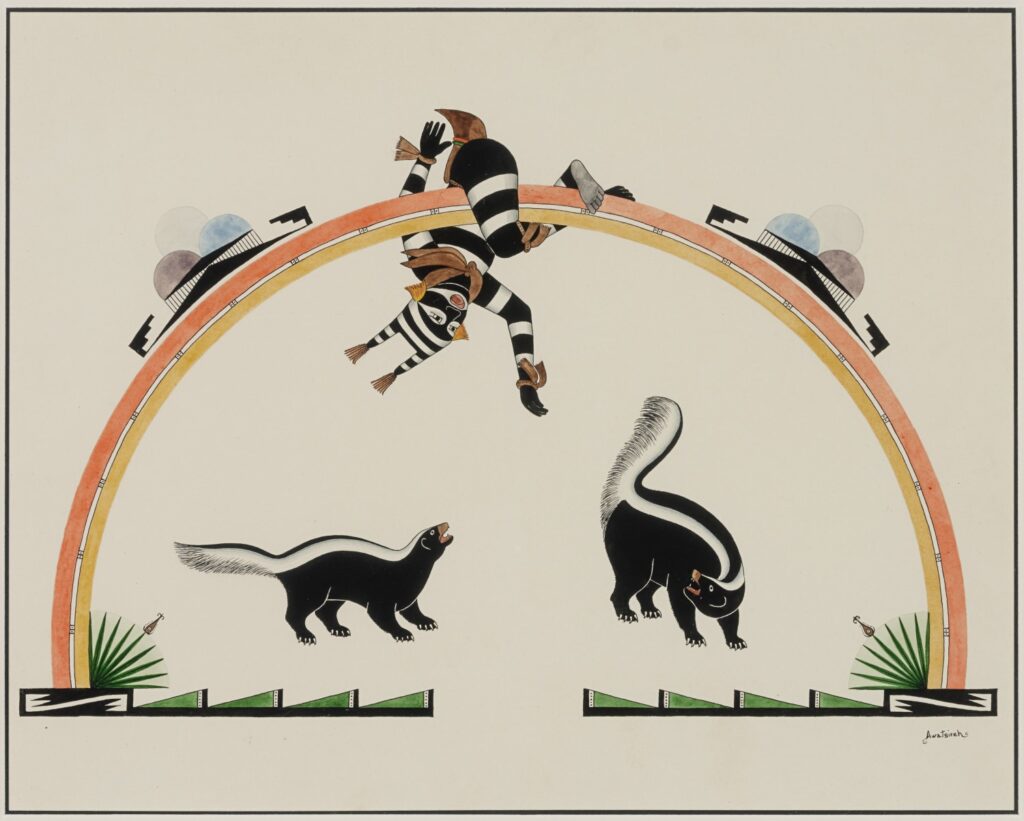
Photo: Davin Lavikka
Phoenix Art Museum is preparing for one of the most significant expansions in its history after receiving a transformative gift of 185 modern and contemporary Indigenous artworks – the largest gift of Native art the institution has received in more than 65 years.
The acquisition, donated from The William P. Healey Collection of Native American Art, adds works by 99 artists representing 44 tribal nations and dramatically broadens the museum’s Art of the Americas Collection. More than an increase in numbers, the gift represents a shift in narrative: one designed to deepen representation, expand historical context, and place Indigenous artistic voices more prominently within conversations about American art.
“We are deeply grateful to William Healey for this transformational gift,” said Jeremy Mikolajczak, the Museum’s Sybil Harrington Director and CEO. “These works address a critical gap in our holdings and represent a significant step forward in our commitment to telling a more expansive story of the Americas, one that not only recognizes the profound impact of Native artists in the Southwest, but also honors their enduring influence across North America and their essential role in shaping modern and contemporary art.”
The timing of the acquisition aligns with efforts by museums nationwide to reconsider how American art history is presented. At Phoenix Art Museum, whose Art of the Americas Collection spans from the 16th century to today with established strengths in Western art, pre-modern American works, and Viceregal Latin American art, the addition introduces new perspectives and creates opportunities for deeper conversations across collections.
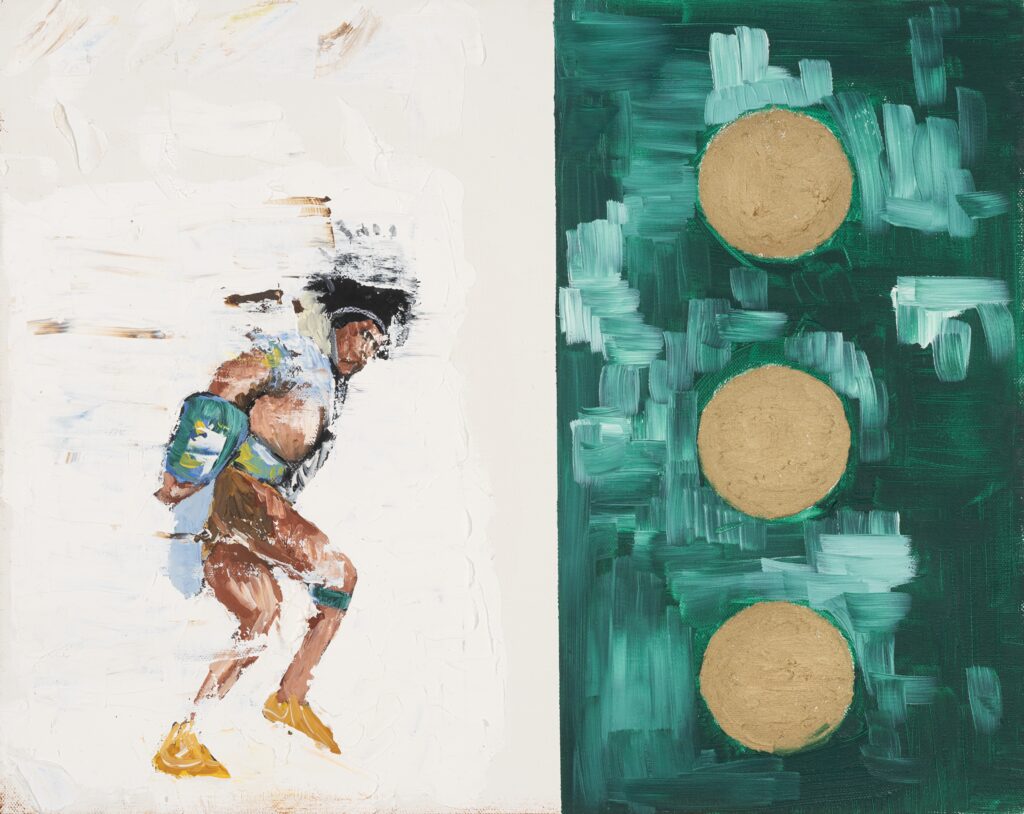
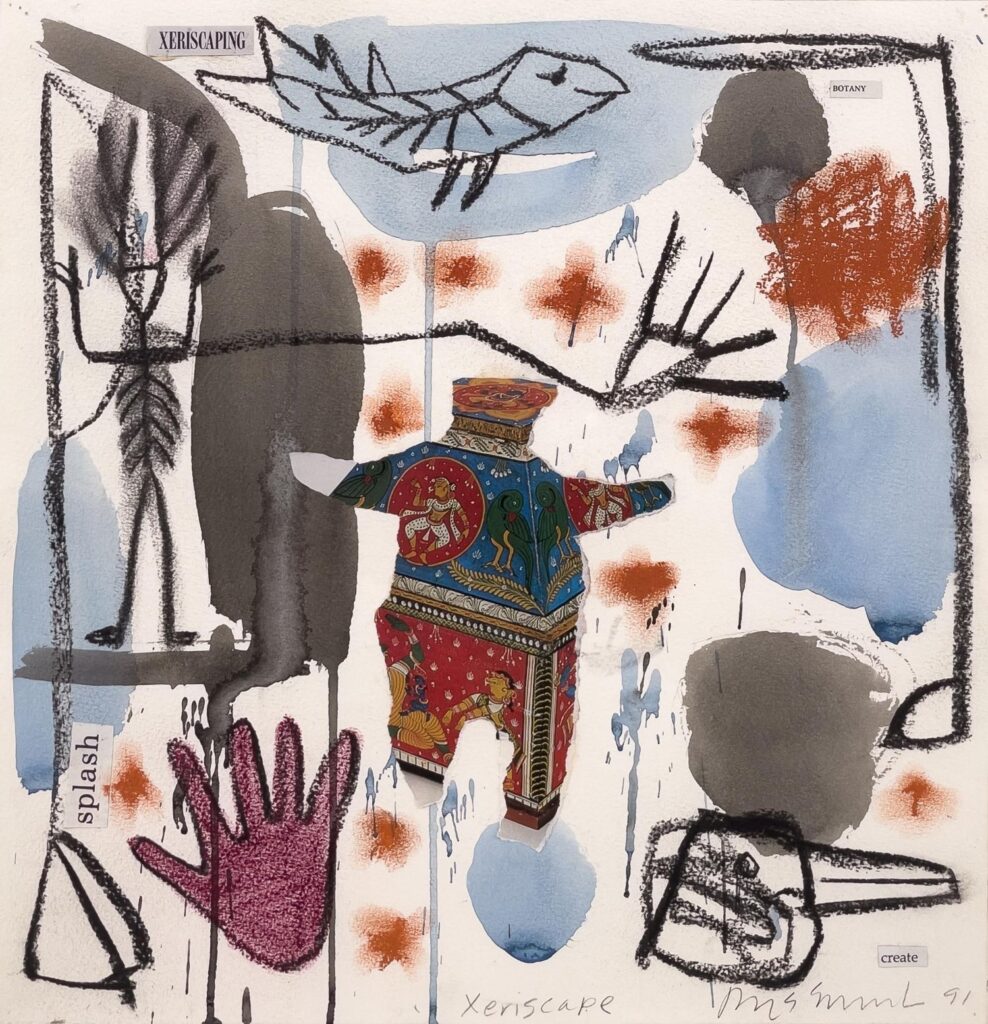
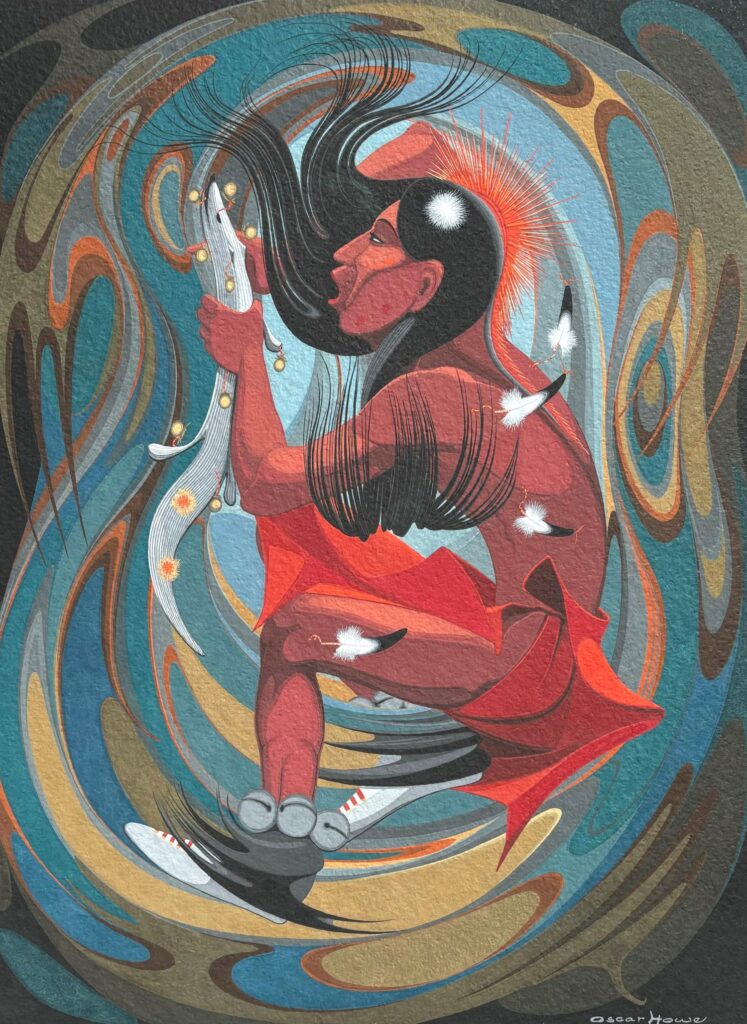
The works themselves span painting, photography, drawing, and sculpture from the 20th century through today, creating a multi-generational view of Indigenous artistic expression.
The collection includes works by influential artists such as Jaune Quick-to-See Smith, Kay WalkingStick, Cara Romero, Allan Houser, Fritz Scholder, Oscar Howe, Emmi Whitehorse, T.C. Cannon, Pablita Velarde, and Tony Abeyta, among many others. The breadth of artists represented also allows the museum to explore family lineages and artistic continuity across multiple generations, including artists such as Fred and Michael Kabotie, Allan Houser and Bob Haozous, and Narciso and Tony Abeyta.
Notably, 22 of the 99 artists represented in the collection are women, creating additional opportunities to expand recognition and visibility for women artists within Indigenous art histories.
Audiences will begin experiencing the collection in a major way next summer with the opening of The Way We Came: A Century of Indigenous Art (The William P. Healey Collection at Phoenix Art Museum), which opens August 26, 2026, and remains on view through July 11, 2027.
Featuring more than 100 works from the gift, the exhibition examines modernity in Native art and the ways Indigenous artists have sustained, adapted, and reimagined cultural knowledge across generations.
Curated by Dr. JoAnna Reyes, adjunct curator of Art of the Americas, alongside second-generation Native artist Tony Abeyta, the exhibition centers on the concept of survivance; a term introduced by Anishinaabe scholar Gerald Vizenor that combines survival and resistance to describe active cultural continuity and presence.
Themes throughout the exhibition will explore storytelling traditions, abstraction and modernism, place and landscape, artistic mentorship, and the transmission of cultural knowledge across families, communities, and educational systems, including the complex histories associated with Native boarding schools.
“I am honored to help steward this remarkable collection of Native art and am committed to caring for it with integrity and respect,” said Reyes. “I am especially excited by the opportunity to place these works within a fuller, more connected story of the Americas; one that embraces and highlights the richness, diversity, and continuity of Indigenous artistic traditions across time and place.”
The gift itself is also rooted in decades of relationship building.
William P. Healey spent years assembling the collection alongside artist Tony Abeyta, prioritizing direct relationships with artists, estates, and trusted advisors. Healey, a longtime supporter of arts organizations and museums, viewed the collection not simply as a group of objects but as a vehicle for reshaping narratives.
“The enthusiasm and dedication to excellence I experienced at Phoenix Art Museum has been extraordinary,” said Healey. “The Museum has personal meaning for me over many years, making it especially significant to see the collection find its permanent home here. At a moment when the American art canon is being reshaped and expanded, I believe it is paramount that Native American artists are recognized as essential to that story.”
For Abeyta, who helped shape the collection from the beginning, the acquisition marks the realization of a much larger vision.
“I am honored to bear witness to how Bill Healey assembled this important collection,” said Abeyta. “It began with a vision to tell the story from the perspective of Native American artists. Too often, the Western Indigenous narrative has been sidelined or viewed through a romanticized lens.”
The museum’s commitment to expanding that conversation won’t end with the exhibition. A major publication developed in partnership with Scala Arts Publishers is planned for spring 2028 and will further explore Indigenous artistic movements, cultural resilience, abstraction, self-determination, and evolving artistic futures. For more behind this Frontdoor, visit phxart.org.

Frontdoors Media celebrates the people and groups who give generously and work to build the future of our community. It’s the premier source of information – and inspiration – for those who strive to make the Valley of the Sun a better place to live.