
The Carver at 100
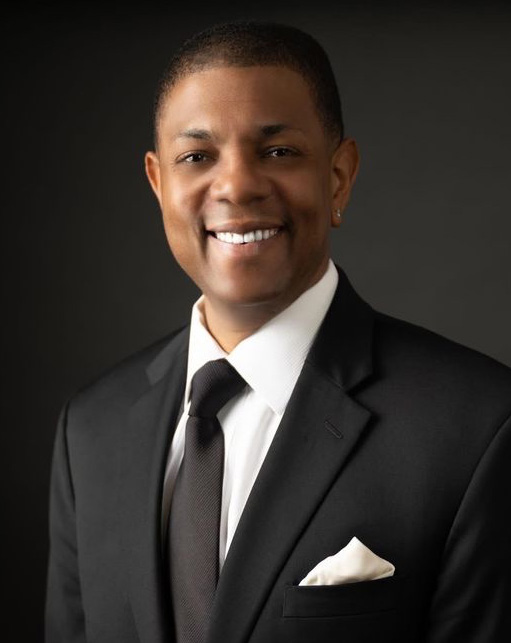
Matthew Whitaker, Ph.D., grew up three blocks from the George Washington Carver Museum and Cultural Center, aka “The Carver,” though it would be years before he walked through its doors.
After his mother moved from East Texas to Phoenix in 1959, the family eventually settled in a small house just down the street from what was once the Phoenix Union Colored High School, later renamed George Washington Carver High School. She filled her son’s childhood with stories about the students who had walked those halls.
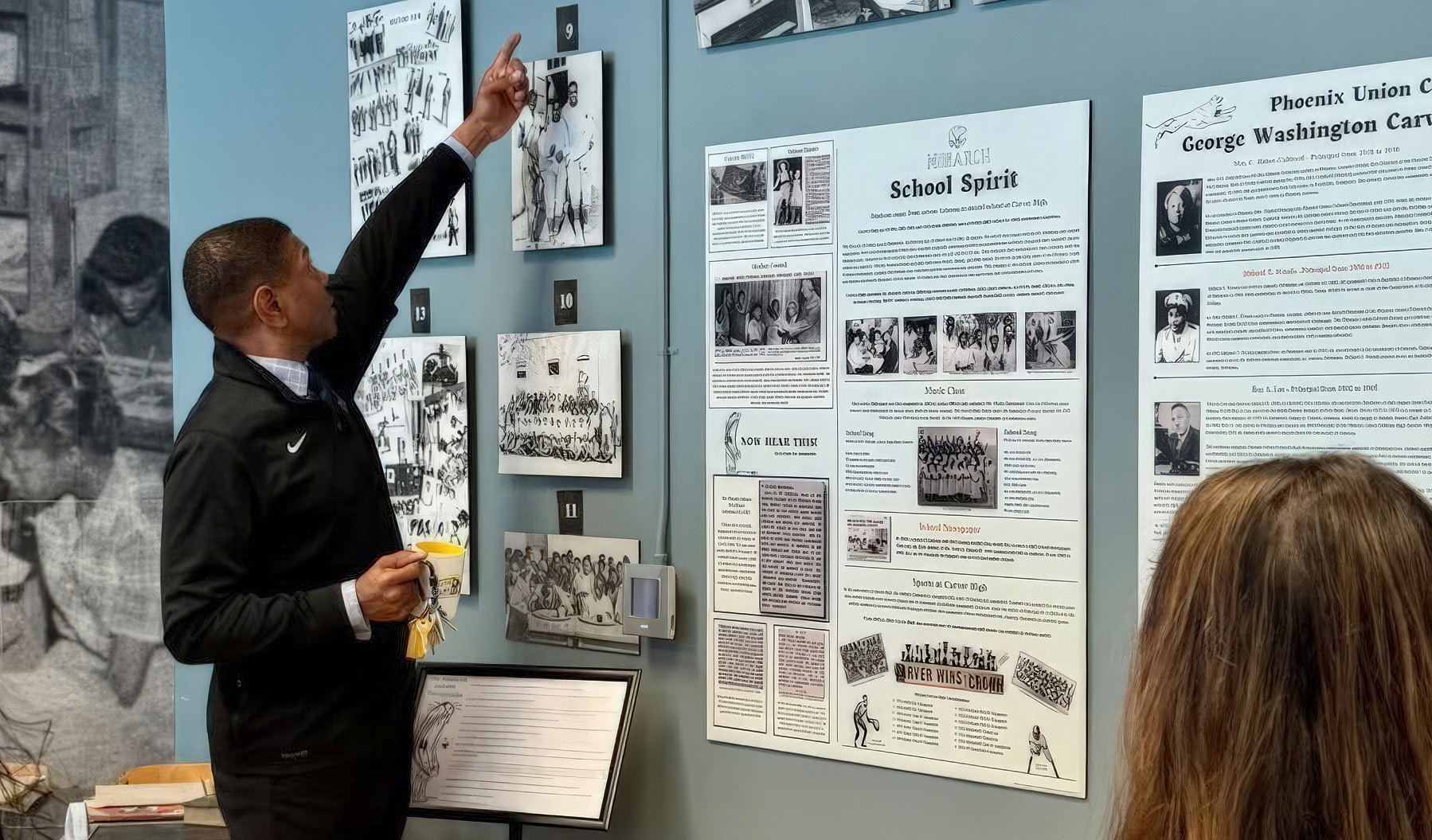
“By the time I got to college at ASU, I heard the school was being turned into a museum and cultural center,” said Whitaker, who is now its executive director. “And by the time I started my master’s program, I was volunteering here.”
Whitaker’s personal history mirrors The Carver’s own journey. Both have traveled a long road to arrive exactly where they are supposed to be.
From Segregation to Legacy
The institution’s story begins in 1926, when the Phoenix Union High School District built a school on repurposed landfill property in a neglected area of the city to house African American students (and a small number of Latino students) who were being segregated out of its main campus.
“The dominant society heard the ‘separate’ part, but not the ‘equal’ part,” Whitaker said.
The school flourished for nearly three decades, producing graduates of extraordinary grit and accomplishment. Then, in February 1953, school segregation in Phoenix was struck down following the Phillips v. Phoenix Union High School District case. The school gradually closed following the ruling, ahead of the Brown v. Board of Education decision in May 1954. The building fell into disrepair, having been used by the district for decades for storage and as a mechanical facility.
Alumni — proud graduates who called themselves the Phoenix Monarchs — watched their beloved Carver deteriorate and decided they weren’t going to stand for it. They formed a nonprofit and, in partnership with the city and school district, helped secure and restore the property, and in 1996 formally opened the George Washington Carver Museum and Cultural Center.
“The embers of excellence still warm the hallways,” Whitaker said. “Every student who walked through here was told it was not enough to be good; you have to be better.”
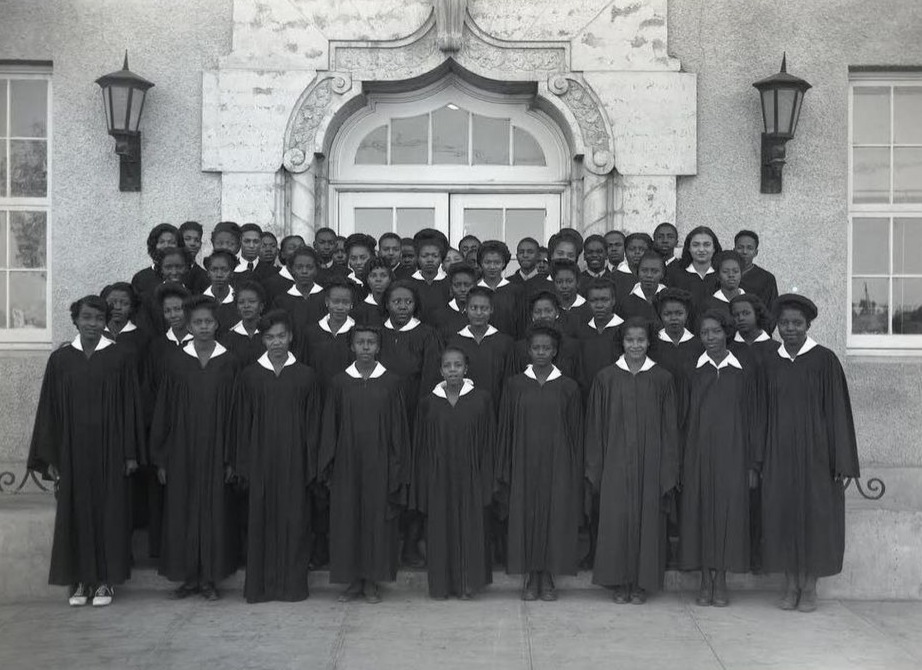 The choir at George Washington Carver High School
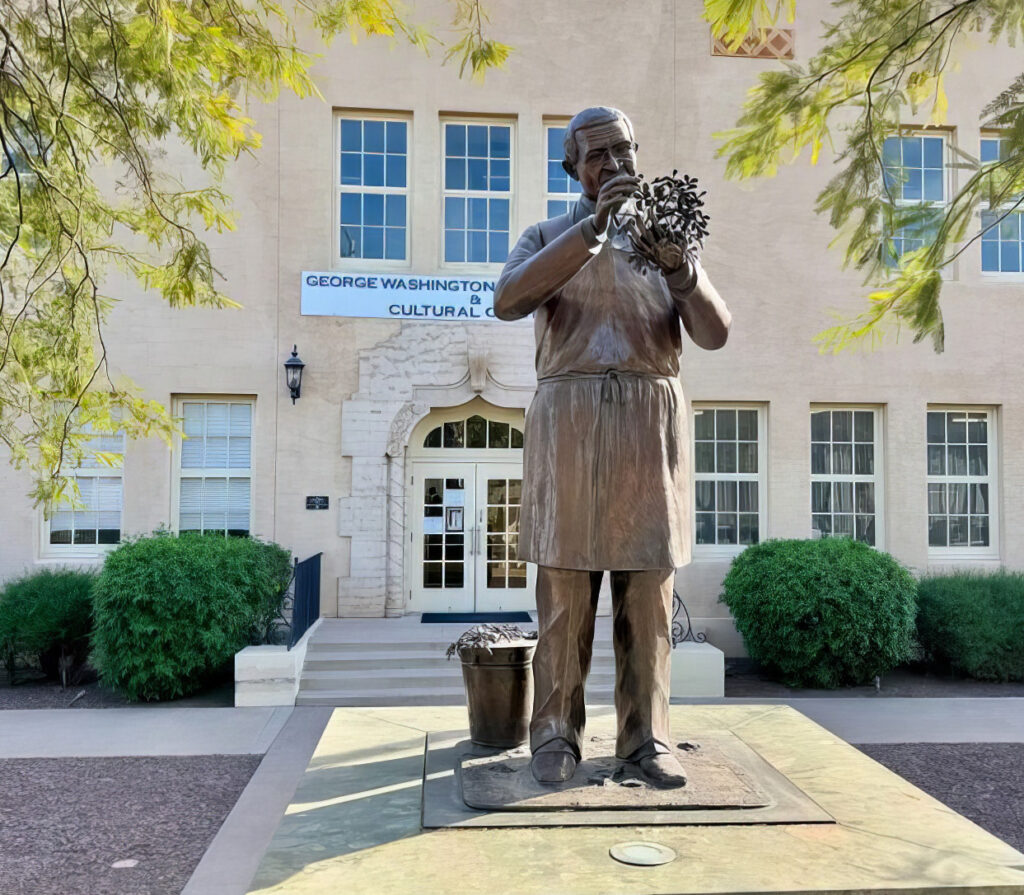 Statue of George Washington Carver
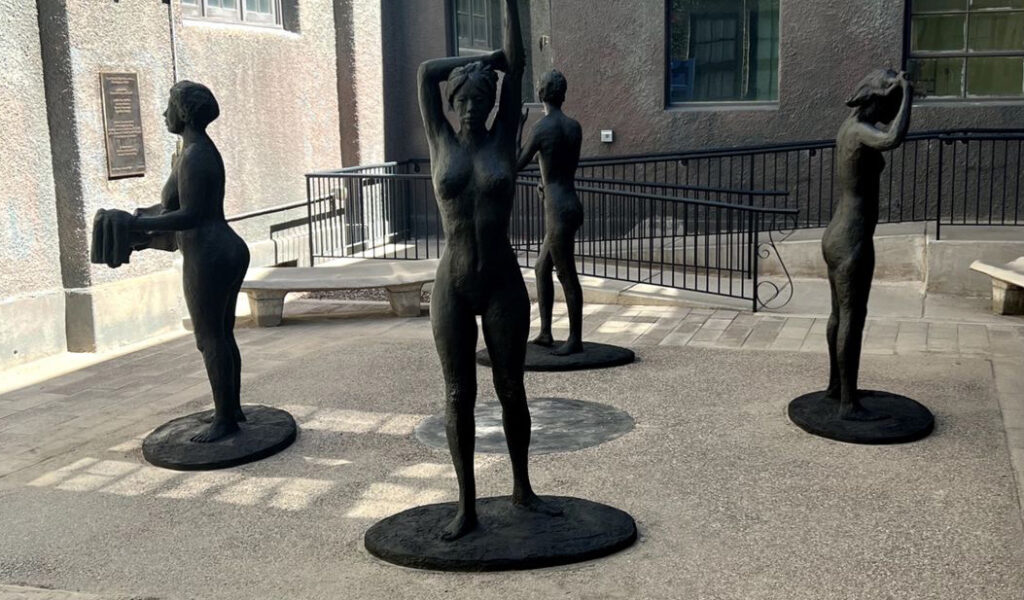 A casting of “That Which Might Have Been” by John Henry Waddell displayed at The Carver
A Village for Everyone
This year, The Carver celebrates a remarkable double milestone: its 30th anniversary as a museum and cultural center, and its 100th anniversary as an institution. The tagline the board, advisors and volunteers chose says everything about the vision: 100 Years Forward.
In practice, that future is already taking shape across the museum’s five acres and 77,000 square feet of usable space. A Black history program for adults launched this past February, offering evening courses in pre-colonial African and African American history. A Rites of Passage program for young African American men teaches résumé writing, civics, entrepreneurship and money management, culminating in a trip to West Africa.
An agriculture-technical initiative for youth, developed in conversations with the Desert Botanical Garden, connects George Washington Carver’s legacy as a botanist to the emerging worlds of sustainability and artificial intelligence. A commercial kitchen incubator is in development to support small food businesses. And down the hall, a new nonprofit called Our Sister Our Brother, focused on foster families and their children, is building out the museum’s old library space as its headquarters.
Rooted in Community
The Carver has also found a kindred spirit in Center for the Future of Arizona, a statewide civic organization dedicated to creating a stronger, more prosperous Arizona, with education at its core.
The connection came the way many meaningful partnerships do: through conversation and relationship. Whitaker — who also runs Diamond Strategies, a consulting firm focused on justice, equity, diversity and inclusion — crossed paths with CFA’s executive vice president, Amanda Burke, through shared work with the Desert Botanical Garden. It didn’t take long to see the alignment: Both organizations believe that investing in community, history and the next generation of Arizonans is how you build a better future.
“Phoenix is one of the largest small communities in the country,” Whitaker said. “Word of mouth connected us.”
Come to Carver
He’s hoping word of mouth — amplified by social media, school presentations and traveling exhibits — will bring a lot more people through The Carver’s doors. Visitation is up. Guests are arriving from cities like Chicago, New York and Pittsburgh. And Whitaker, who describes himself as “the Pied Piper of Carver” wherever he goes, is determined to grow that momentum.
“We want to become a center of gravity in our community,” he said. “The rudder that helps us understand who we are, and helps us maximize who we can be.”
For longtime Phoenicians who haven’t yet visited The Carver, Whitaker offers his grandmother’s gentle wisdom: “The Lord doesn’t come when you want him to, but he’s always on time.” Consider this your invitation.
The George Washington Carver Museum and Cultural Center is located at 415 E. Grant St., Phoenix. Learn more at thecarveraz.org.
