
Architects of Kindness
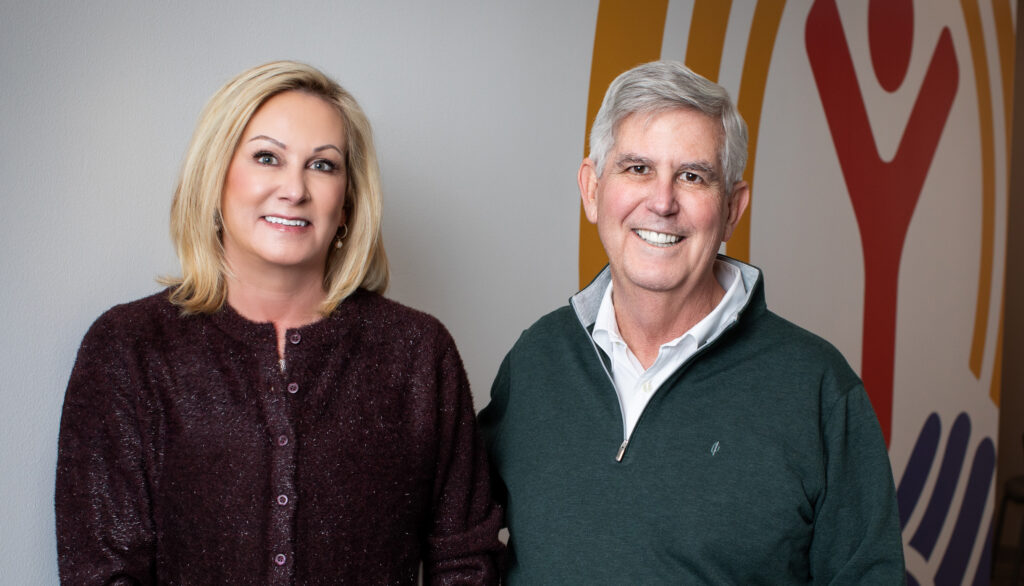
The measure of a man is rarely found in his trophy case. Sometimes, it is found in a lap full of iced tea.
It was 1995, and John Graham was on a lunch date at the Cork ’N Cleaver on Camelback Road. He was there to meet Kathleen, a woman a mutual friend had set him up with. The stakes were high, but the atmosphere was casual — until the waiter tripped on an uneven Saltillo tile.
A pitcher of iced tea cascaded onto John’s lap.
In the high-stakes world of Phoenix real estate, where John was already a rising titan, one might expect a flash of temper, a demand for a manager, or at least a ruined afternoon. Instead, Kathleen watched as John remained perfectly calm. He looked at the mortified waiter, smiled, and said, “We’ll finish here, and I’ll tip you well.” He then walked to Carter’s Men’s Clothing, bought a new pair of pants, and went on to finish the date.
“A lot of guys are hot-headed,” Kathleen said, sitting beside her husband of nearly 30 years. “John just said, ‘It’s fine.’ That is how we met. You pick up on everything when you are on a date.”
Three decades later, that damp, unflappable composure has become the foundation of one of Arizona’s most influential families. John maintains close ties with his former wife and older children, ensuring the whole family stays connected. And as the chairman and CEO of Sunbelt Holdings, his fingerprints are all over the physical evolution of the Valley landscape, from the master-planned community of McDowell Mountain Ranch to the glimmering towers of Marina Heights in Tempe.
His professional impact is undeniable, earning him Phoenix Business Journal’s Landmark Leader Lifetime Award. Together, John and Kathleen also form a philanthropic force that has reshaped the region’s nonprofit landscape, a commitment to community that led to John being named 2018 Man of the Year by Valley Leadership.
Yet, if you ask them to define themselves, you certainly won’t hear words like “tycoon” or “socialite.”
“I’m like the most average human being on the face of the earth,” John said. “I really believe that.”
Kathleen nods in agreement. “We are homebodies.”
It’s a charming contradiction: The couple who has served on over 65 combined boards, raised millions for charity, and steered the strategic future of the fifth-largest city in the country, would honestly prefer to just stay home.

The ‘Brophy Mafia’ and the Servant Leader
To understand John Graham, you have to understand the Jesuits. Specifically, the ethos of Brophy College Preparatory. John, his two late brothers, his two sons, and his nephew all walked the halls of the Phoenix institution.
“I regularly say that kind of what makes me, me, is Brophy,” John said. “It’s the ‘Men for Others’ mantra. I kiddingly call it the Brophy Mafia. No matter what age you are, you always have a big group of people who are supporters.”
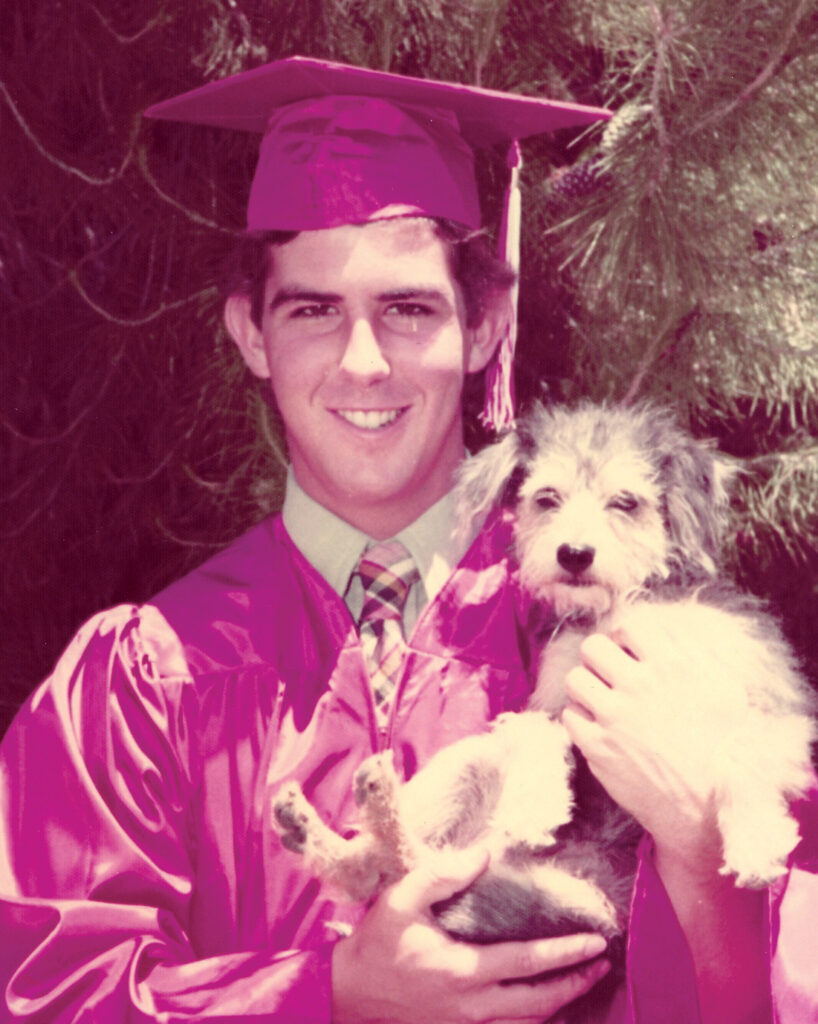
That education instilled a concept that has become a buzzword in modern business but remains a spiritual practice for the Grahams: servant leadership. It is the idea that power is a tool to be given away, not hoarded.
This philosophy, combined with the stamina of a high-level competitor, explains why John was capable of running a company at 24. Long before he was a boardroom tactician, John was a standout athlete, excelling in baseball, football and rugby at the high school and collegiate levels. He brought that same discipline — the understanding that endurance and teamwork matter more than ego — into his career.
His Norwegian business partner, Tor Andenaes, 14 years his senior, saw something in the athletic, young Stanford graduate — a willingness to listen and a lack of ego. “He definitely let me do stuff that no person in their right mind probably should have,” John said.
Today, that leadership style manifests in a staggering breadth of community service. The Grahams keep an open mind about where they serve, provided the mission is pure. They champion healthcare (serving on boards for Banner Health, Dignity Health and Valleywise Health), the arts (the Heard Museum, Phoenix Art Museum and The Phoenix Symphony) and social services (St. Vincent de Paul and Valley of the Sun United Way).
“We want good healthcare for everybody,” John said. “We’re agnostic about where you get it, but access to it is important to us.”
Their most poignant work often happens quietly, away from the marble floors of fundraising galas. They are deeply passionate about Camp Catanese, a grassroots initiative started by a Maryvale educator to help underprivileged, first-generation students realize college is an option.
“These kids didn’t have dreams because nobody planted the seed,” Kathleen said, her voice animated. “They didn’t know what a FAFSA form was. They didn’t know what the ACT was.”
The Grahams don’t just write a check; they get involved. Their son, Will, serves on Camp Catanese’s medical staff. They attend graduations and hear how students who once saw no future beyond poverty get accepted to schools like Notre Dame, Harvard and Barrett, The Honors College at ASU.
“We go to graduation every year, and you just bawl for two hours,” John said.
Substance Over Spectacle
There is a sign in John Graham’s office that reads: JUST SAY NO.
“It came from my mother,” he said, adding with a laugh that he has trouble with that.
Despite the sign, the Grahams are ubiquitous in the philanthropic scene. John has been involved with Valley of the Sun United Way for roughly 20 years, serving as board chair and Tocqueville chair with Kathleen multiple times.
“I’m really passionate about it, and love the organization,” he said. “I think the world of what they do.”
Yet, while they value the community spirit and fundraising power of the Valley’s philanthropy scene, their personal style of giving is more low-key.
“We are really homebodies,” Kathleen said. “I have no desire to be the front person. I prefer to support versus go out. I love being with my family and my small circle of friends.”
This grounded nature stems from their deep desert roots. Kathleen’s father, an ophthalmologist, moved the family to Phoenix in 1971 — a move he had been ‘dead set’ on making after serving as a flight surgeon at Davis-Monthan Air Force Base in 1967. John’s history in Phoenix goes back even further; he arrived in 1958, when Maricopa County was home to fewer than 400,000 people.
They remember an Arizona that feels almost mythical now. John recalls a city of two-lane roads flanked by canals. Kathleen remembers growing up in Arcadia when 48th Street felt like the edge of civilization.
If you went to Scottsdale and Shea, you were out there hunting,” Kathleen said. “We lived adjacent to Amanda Blake — Miss Kitty from ‘Gunsmoke’ — who was on Exeter Boulevard. She had lions. We would sit on our screened patio and hear the lions roar.”
John and Kathleen have watched the city grow from a dusty outpost to a metropolis of 5 million, but they insist the spirit hasn’t changed.
“It is the most friendly place I’ve ever been in my life,” John said. “Whether you came here 50 years ago or 10 days ago, somebody is there to lift you up.”
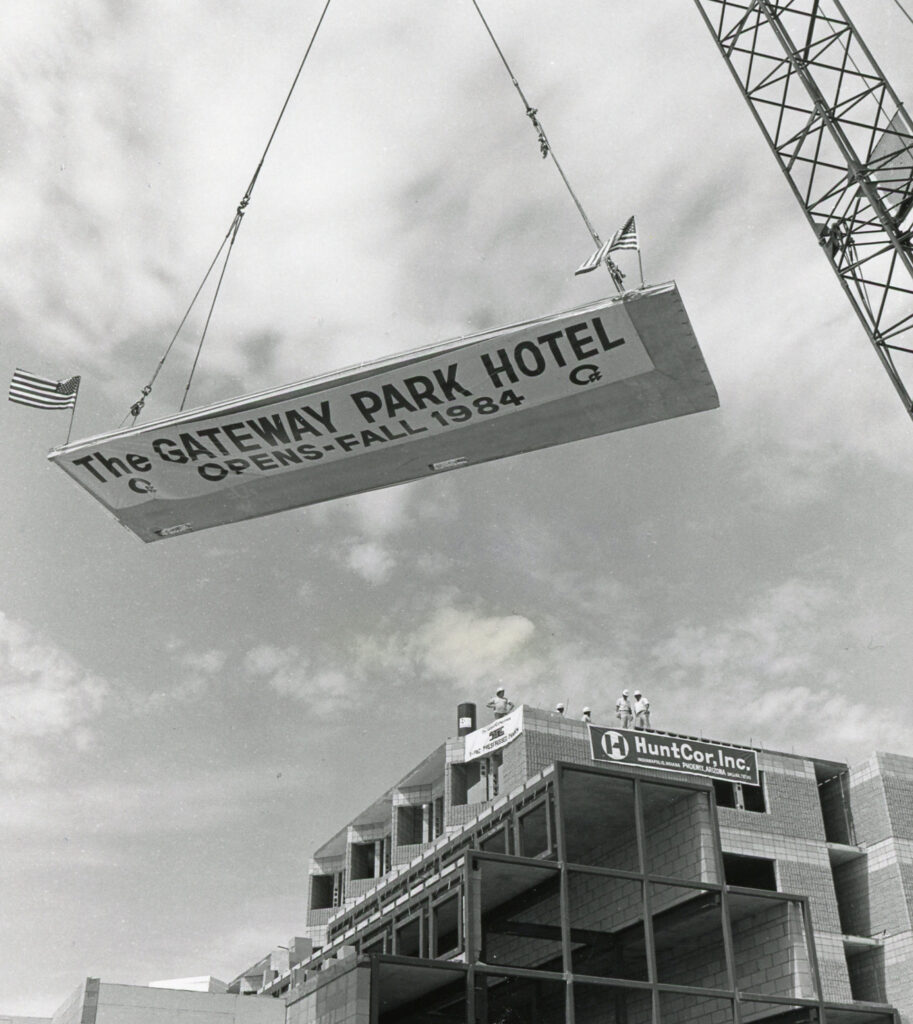
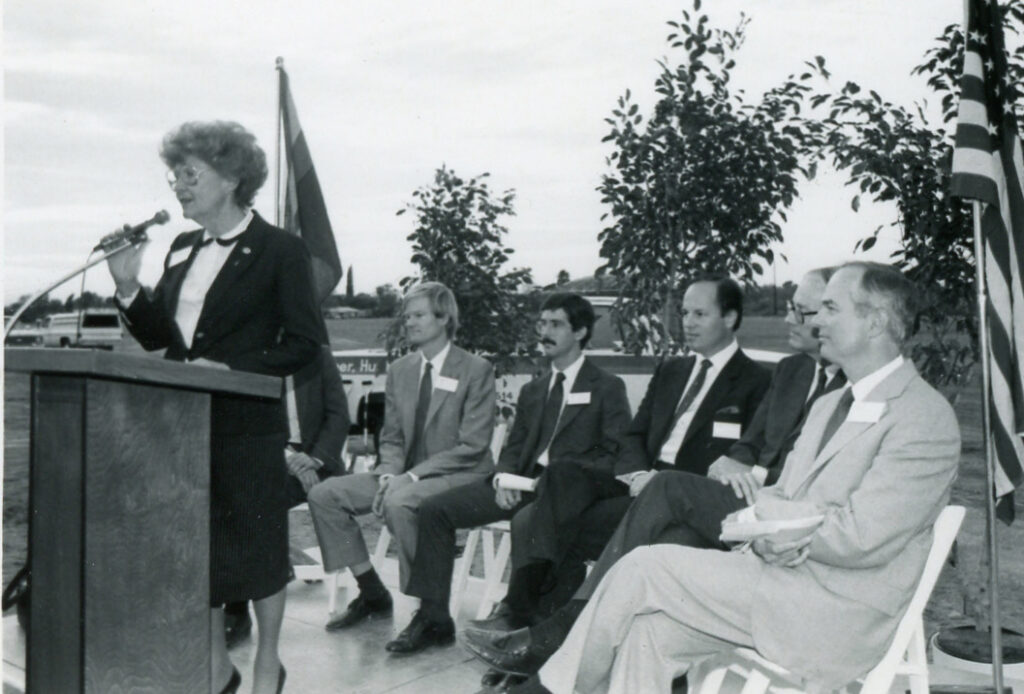
An office building and hotel at 44th and McDowell were the first Sunbelt Holdings project at One Gateway.
Phoenix Gateway Center groundbreaking in 1983 with (left to right) Mayor Margaret Hance, Tor Andenaes, John Graham, Bob Hunt, Bill Turner and Richard Mallery.
Building on History
That deep history is now physically cemented in the city’s core.
For decades, Park Central was the retail heart of Phoenix. As shopping malls faded, most developers would have razed the site to build gleaming glass towers. But Sharon Harper, the CEO of Plaza Companies, had a different vision, one of revitalization and history. When she repurposed the property for a new era of medical and educational tenants (including Creighton University, where John sits on the board of trustees), she decided to name the buildings not with letters or numbers, but after the people who built Phoenix.
She called John with a question: “Would you be OK if I named one of those buildings after your dad?”
John’s father, Bill Graham, was a pioneer in Phoenix commercial real estate. He joined Coldwell Banker in 1958 — just years after the firm opened its first office outside California — and spent nearly two decades helping shape the city’s skyline, including the leasing of the original Park Central.
“I was practically in tears,” John said. “I said, ‘I would love nothing more than that.’”
It is a fitting tribute, particularly as John himself has now been recognized as a 2025 Arizona Historymaker, ensuring that the Graham name remains synonymous with the state’s evolution.
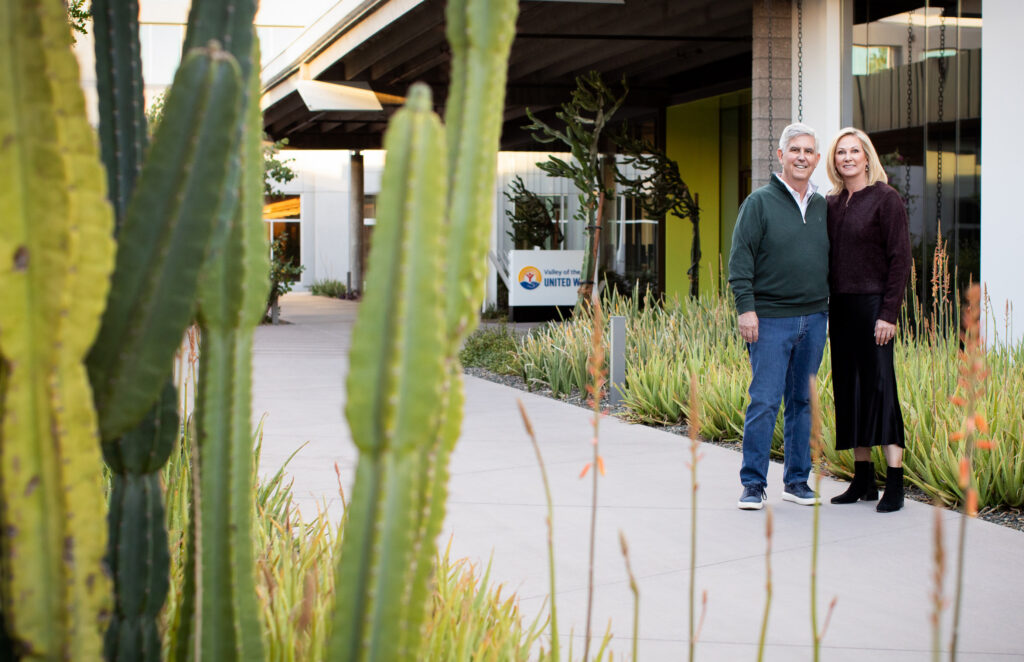
And, in a twist of fate that defies probability, Valley of the Sun United Way found itself needing office space just as the “Graham Building” became available due to another tenant’s vacancy. Soon, John will attend board meetings in a building that bears his father’s name — a physical manifestation of a legacy that spans three generations.
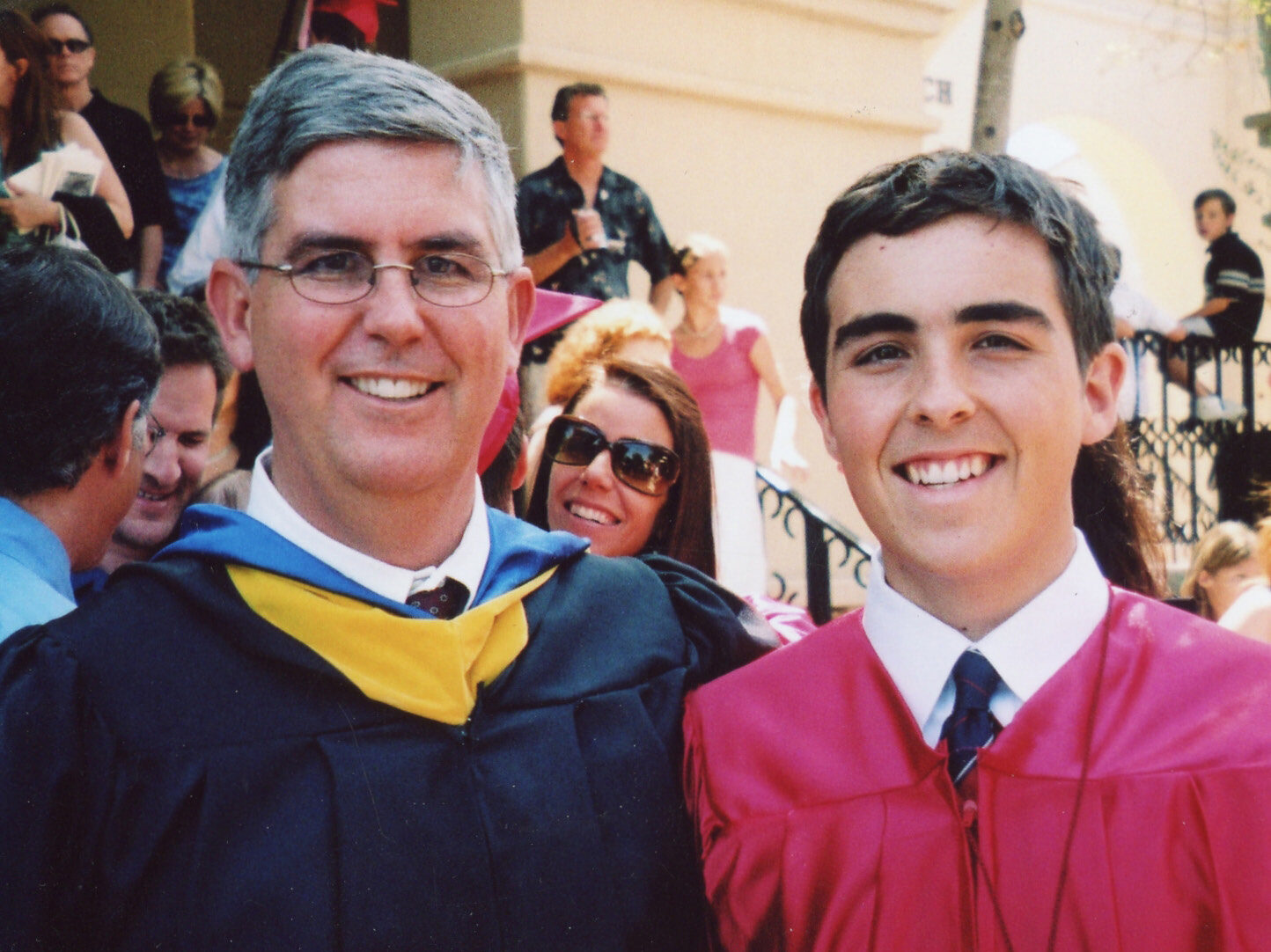
The legacy continues with the next generation. John has two children from his first marriage, Justin and Annie, and together with Kathleen, welcomed their youngest, Will. Justin works alongside his father at Sunbelt Holdings (“The father-son thing seems to work out well,” John said with relief), Annie works in Los Angeles, and Will is pursuing his fourth degree to become a nurse practitioner.
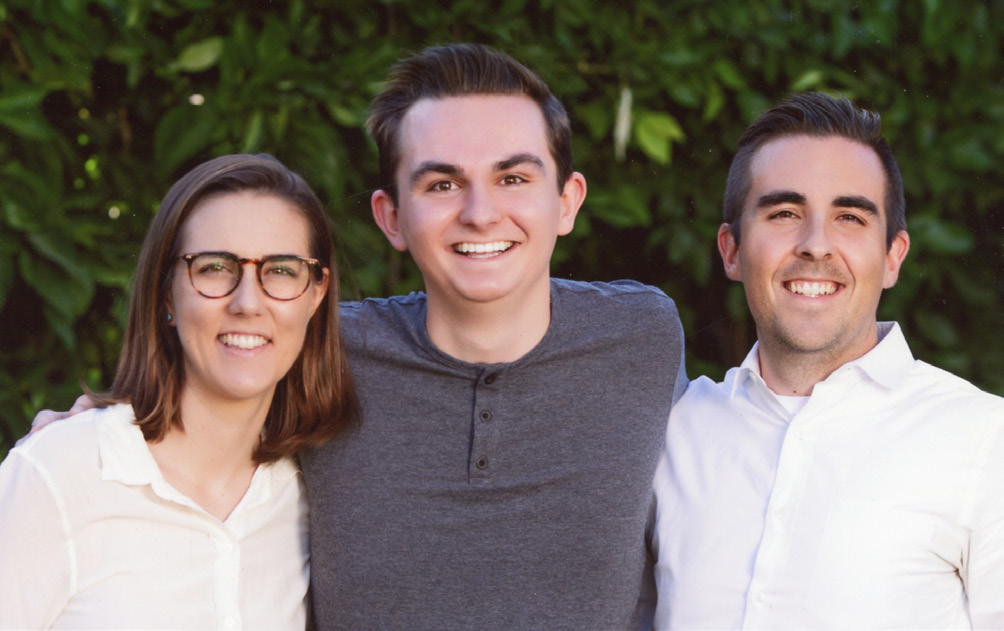
Despite the blended-family dynamics, all three children are deeply involved in the family’s philanthropic efforts. But their involvement goes beyond their résumés. For the past 10 years, the Grahams have treated philanthropy as a family roundtable.
Annie, Will and Justin now carry on the Graham legacy of community involvement.
“All my kids desire to be part of this,” John said. “Their lives are totally self-driven.”
Twice a year — sometimes over email, often in person — the family convenes to review their impact. They ask the hard questions: Should we do more? Should we add a new cause? It is a space where the children’s voices carry weight.
The logistics of the philanthropy now fall to the youngest, Will. “Will physically does all the giving, mostly because I don’t want to, and it’s a lot of paperwork,” John said with a smile.
“He tracks it way better,” Kathleen said.
And then there are the grandkids, Eleanor, 5, and Archie, 3, who have introduced a new hierarchy to the Graham household.
“I leaned in to kiss Eleanor goodbye recently,” John said, “and she goes, ‘Jaja, let it be.’”
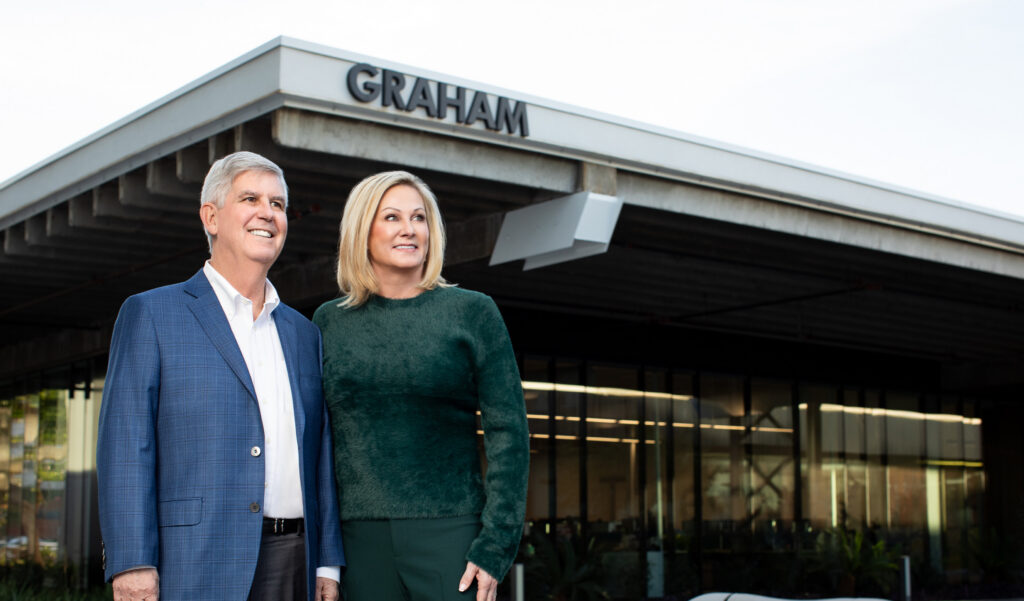
Photo by Scott Foust
Strength in Vulnerability
Perhaps the most striking aspect of John Graham’s profile is not his success, but his willingness to discuss his struggles. In a business culture that prizes stoicism, John is openly vocal about his own mental health journey.
“I’ve seen a lot of people struggle, including friends that have committed suicide,” he said. “If you’re on top of it, the chance of that happening is low. If you’re not, it’s a random outcome.”
He speaks to high school students at Brophy, expecting them to ask about real estate deals or profit margins. Instead, when they write him thank-you letters, the most common theme is gratitude for his vulnerability.
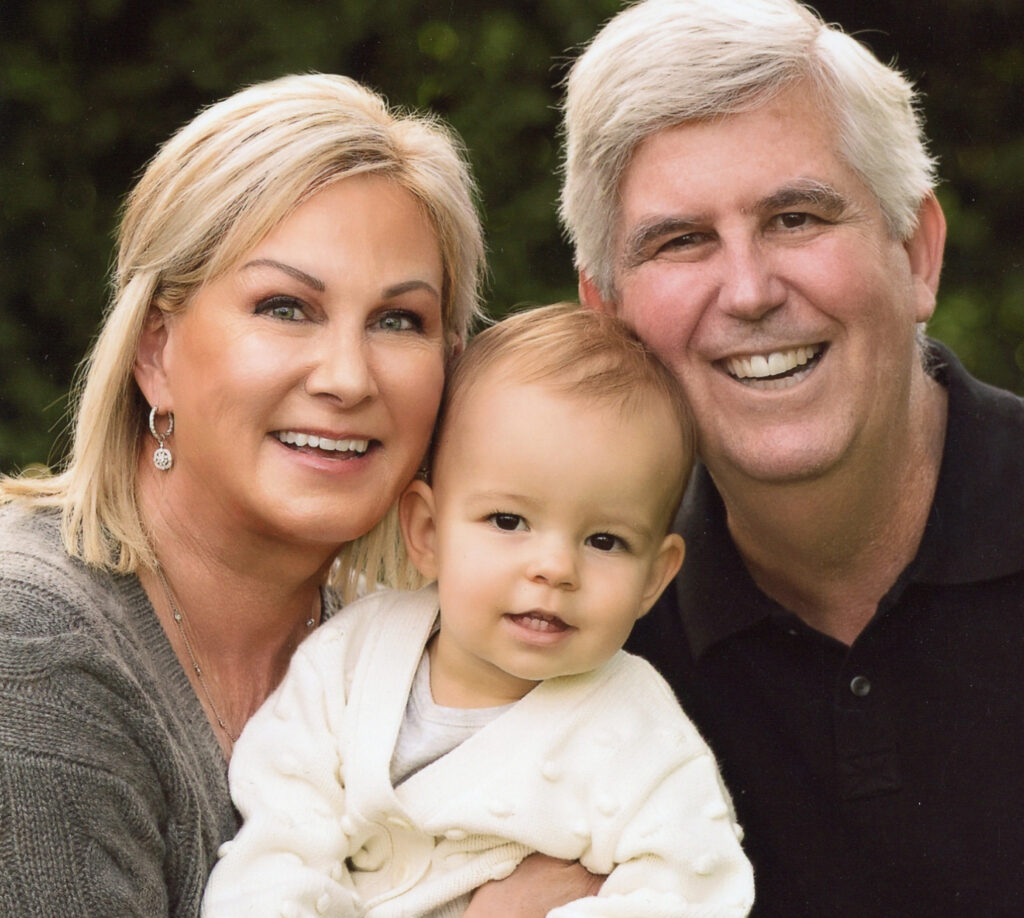
John, Kathleen, Annie, Justin and Will are a tight-knit blended family. “Everybody gets along gloriously, including my ex-wife, which is nice,” John said.
“They write, ‘Thank you for talking to me about mental health. I have a sister that has a problem, or a friend, or I have a problem,’” John said. “It’s amazing that they would respond to it.”
It is a rare quality in a CEO: the understanding that true strength isn’t about being impenetrable, but about being accessible.

A Broker of Peace
This lack of ego makes John the ideal mediator. When a recent big-stakes deal was imploding, the sparring factions needed a broker they all trusted. They all agreed on one name: John Graham.
Kathleen attributes this to his ability to listen without an agenda. “John looks at the problem with no ego,” she said.
It brings the story back to a simple philosophy that governs their lives, from the boardroom to the living room. It is a quote from John’s father, the man whose name is on the building where Valley of the Sun United Way sits today.
“It is better to be kind than it is to be right.”
“I’ll put it on my tombstone,” John said. “It’s one of those deals where I heard it growing up, but one day, I just got it.”
In a world obsessed with being right — on social media, in politics, in business — John and Kathleen Graham have chosen the other path. They have chosen to be kind. They have chosen to serve. And they have chosen, whenever possible, to be home by dinner.

Karen Werner is the editor of Frontdoors Media. She is a writer, editor and media consultant. She has interned at The New Yorker, worked at Parents Magazine, edited five books and founded several local magazines. Her work has appeared in Sunset, Mental Floss and the Saturday Evening Post.