
A Place to Pause
友情
Phoenix isn’t known for stillness. But step inside the Japanese Friendship Garden and the city seems to vanish.
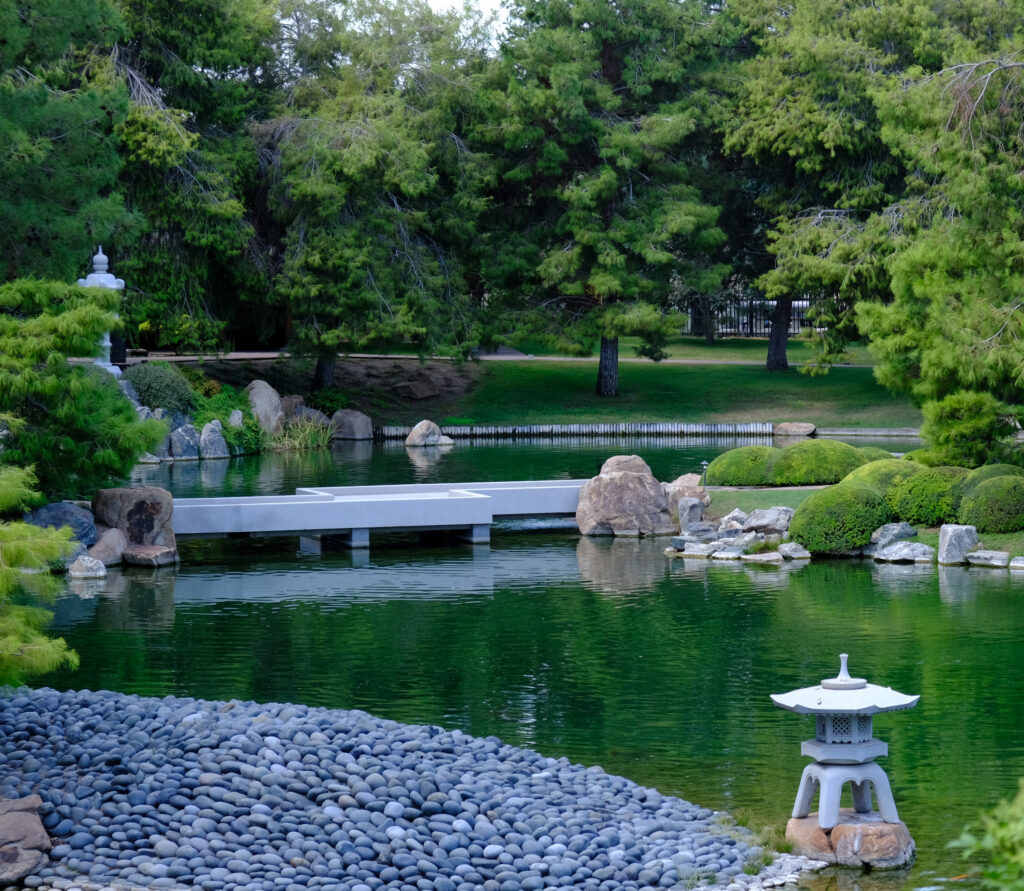
Known as RoHoEn, this 3.5-acre oasis feels worlds away from the desert, inviting visitors to slow down, breathe deeply and experience a centuries-old philosophy rooted in harmony, respect and serenity.
“We want people to leave their stresses at the gate,” said Ben Schrepf, the garden’s curator and head niwashi (Japanese gardener). “Everything in the garden — from the way the stones are placed to how the trees are pruned — is intentional. It guides you to be present.”
This peaceful place was born nearly three decades ago out of a big idea: to build an authentic Japanese garden in the middle of the Sonoran Desert. With help from Phoenix city leaders, a crew of designers, and artisans from its sister city, Himeji, Japan, they brought the vision to life. Every boulder was hand-picked from the mountains of Congress, Arizona. The pathways? Carefully planned. The plants? Chosen to blend Japanese tradition with desert survival.
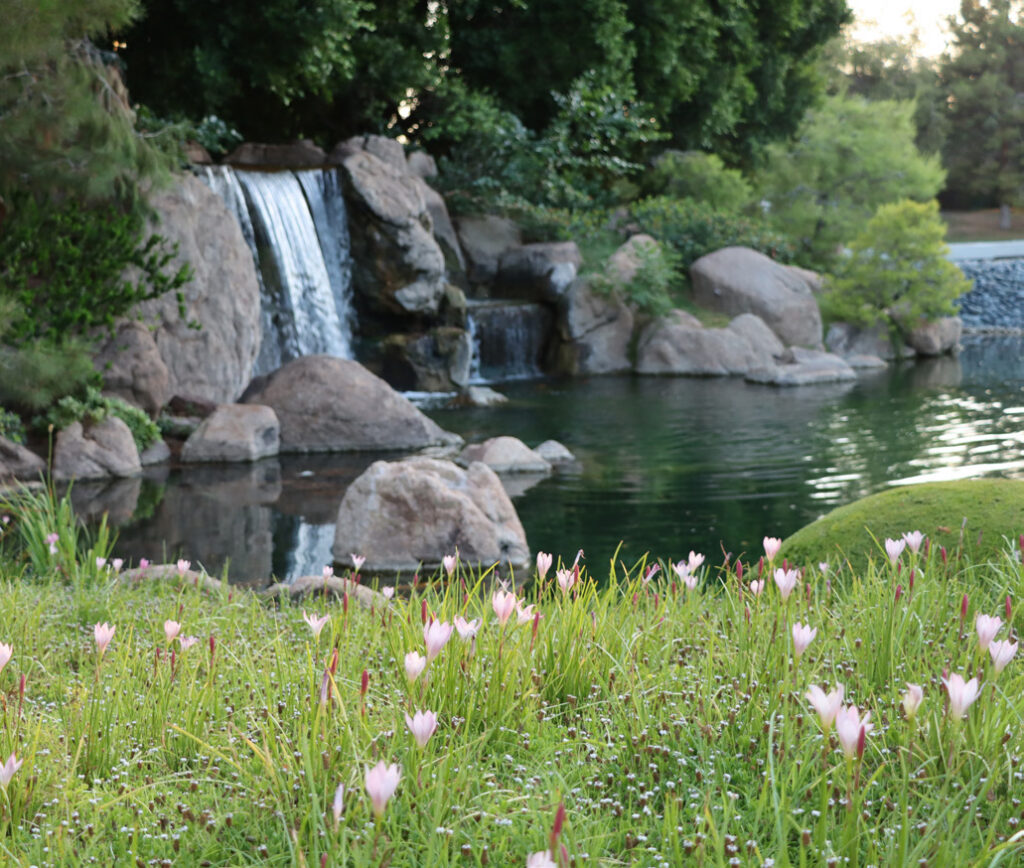
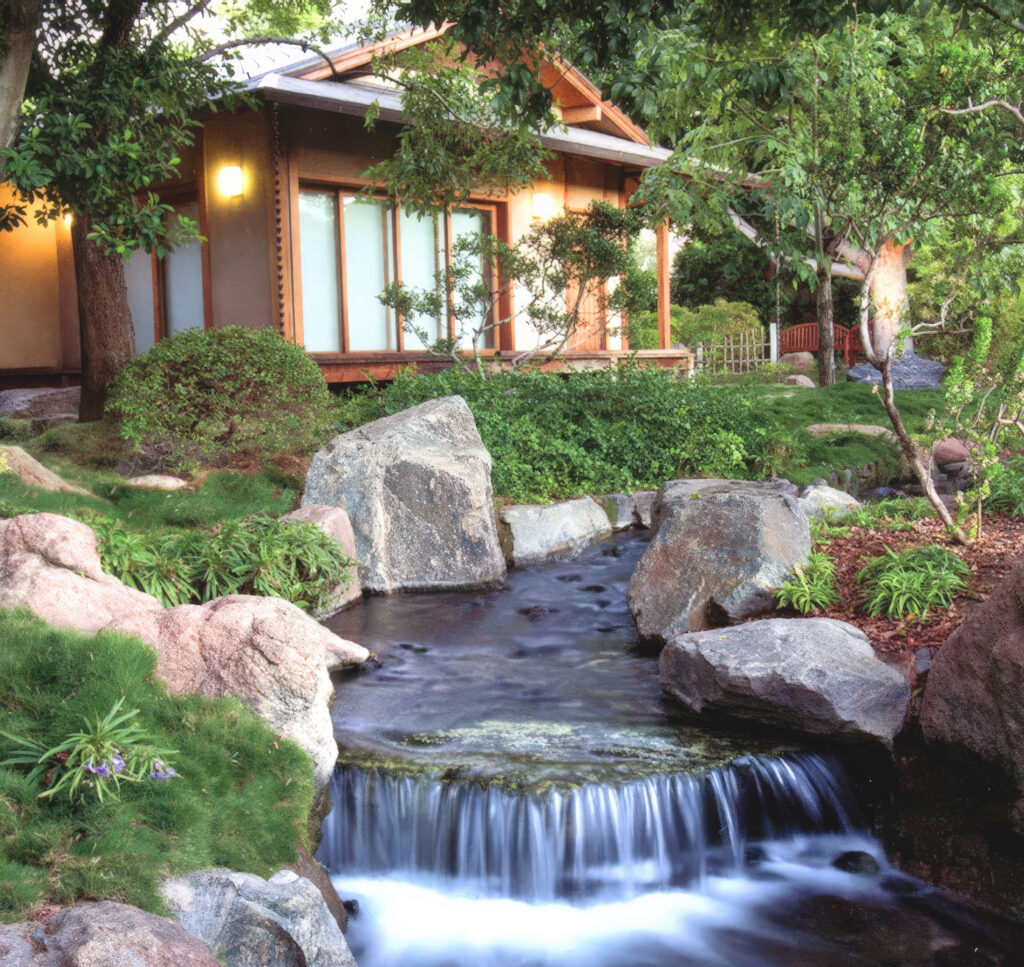
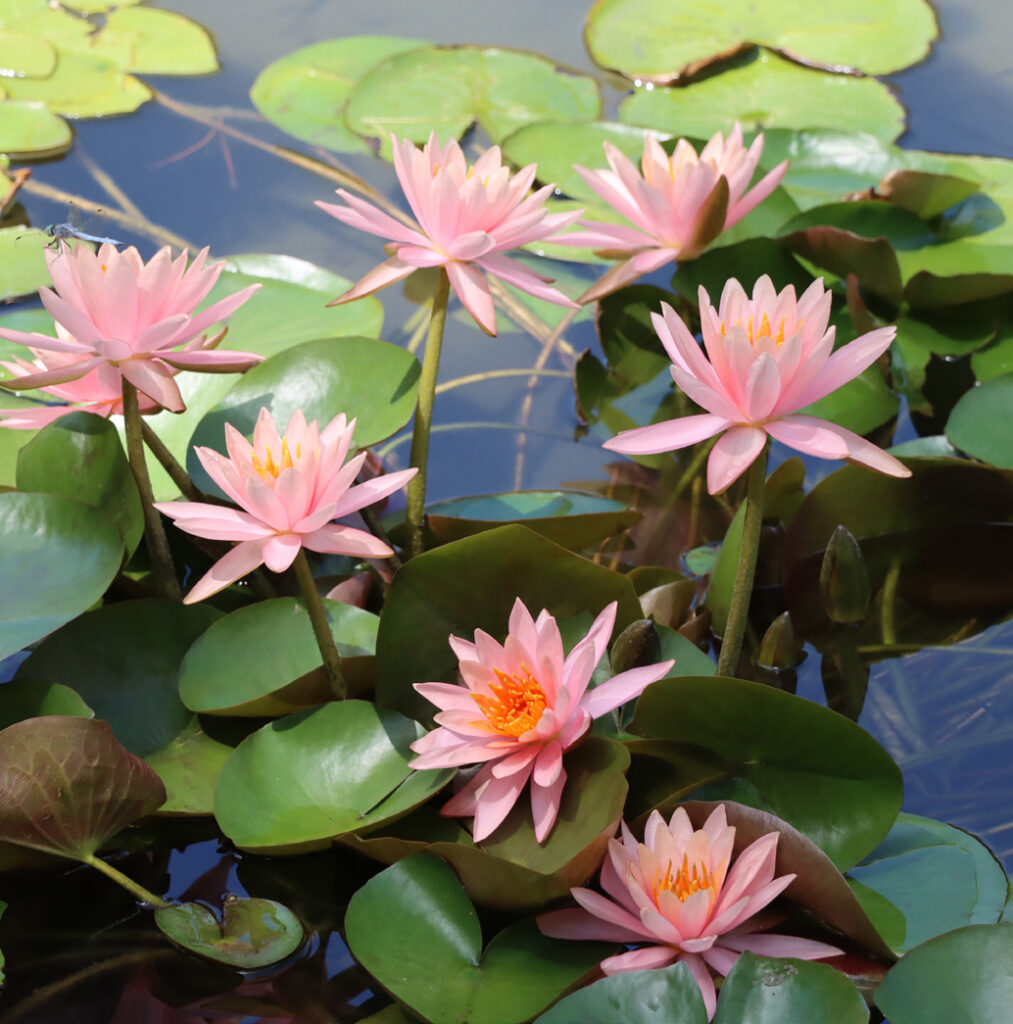
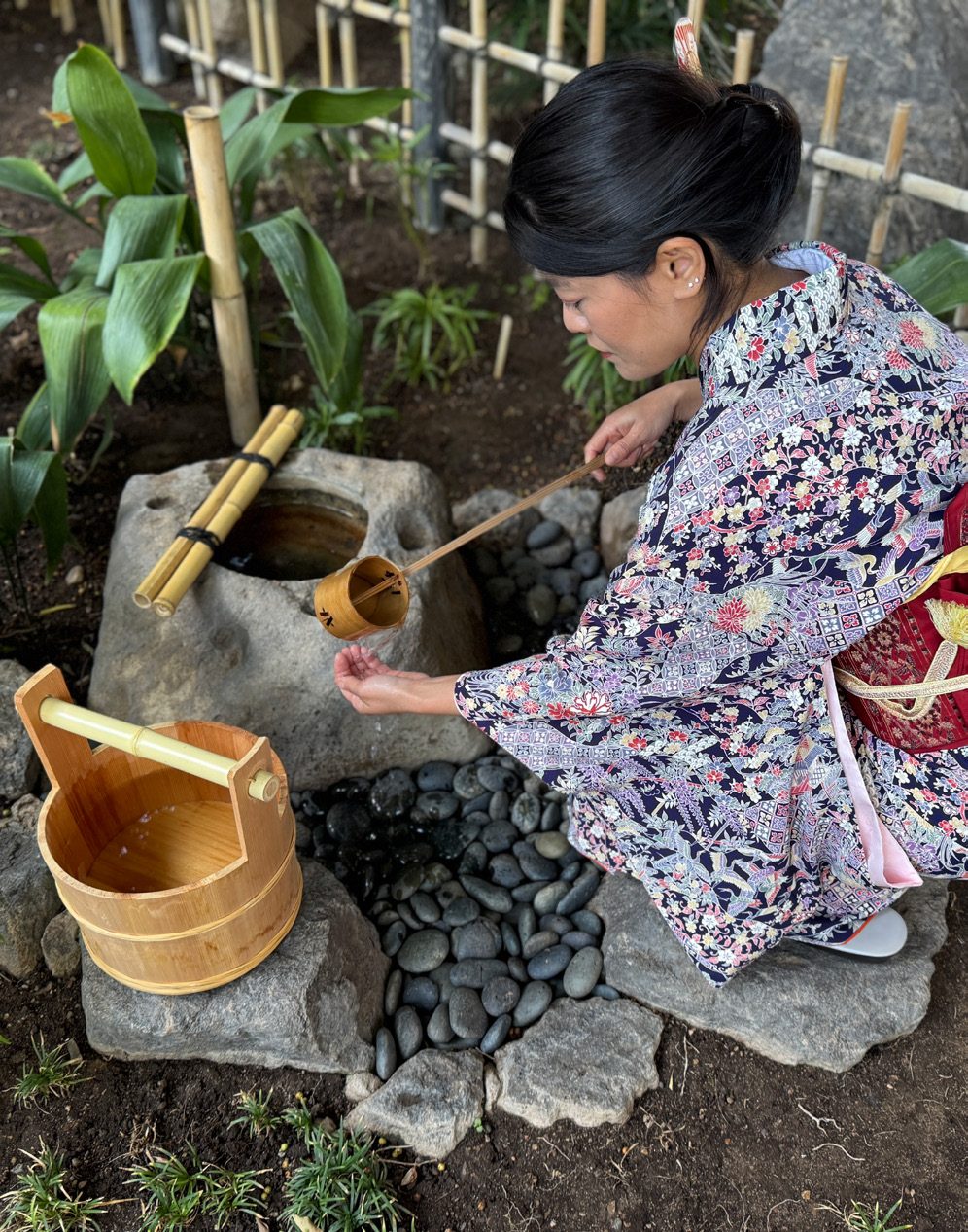
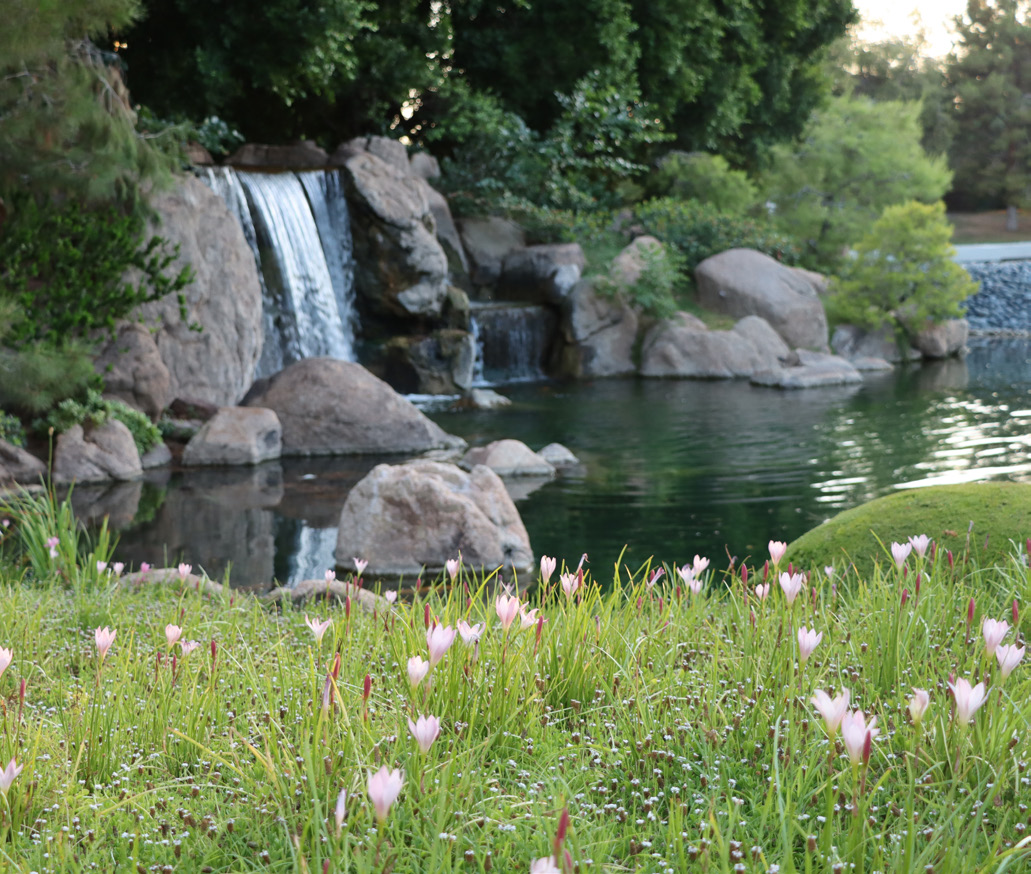
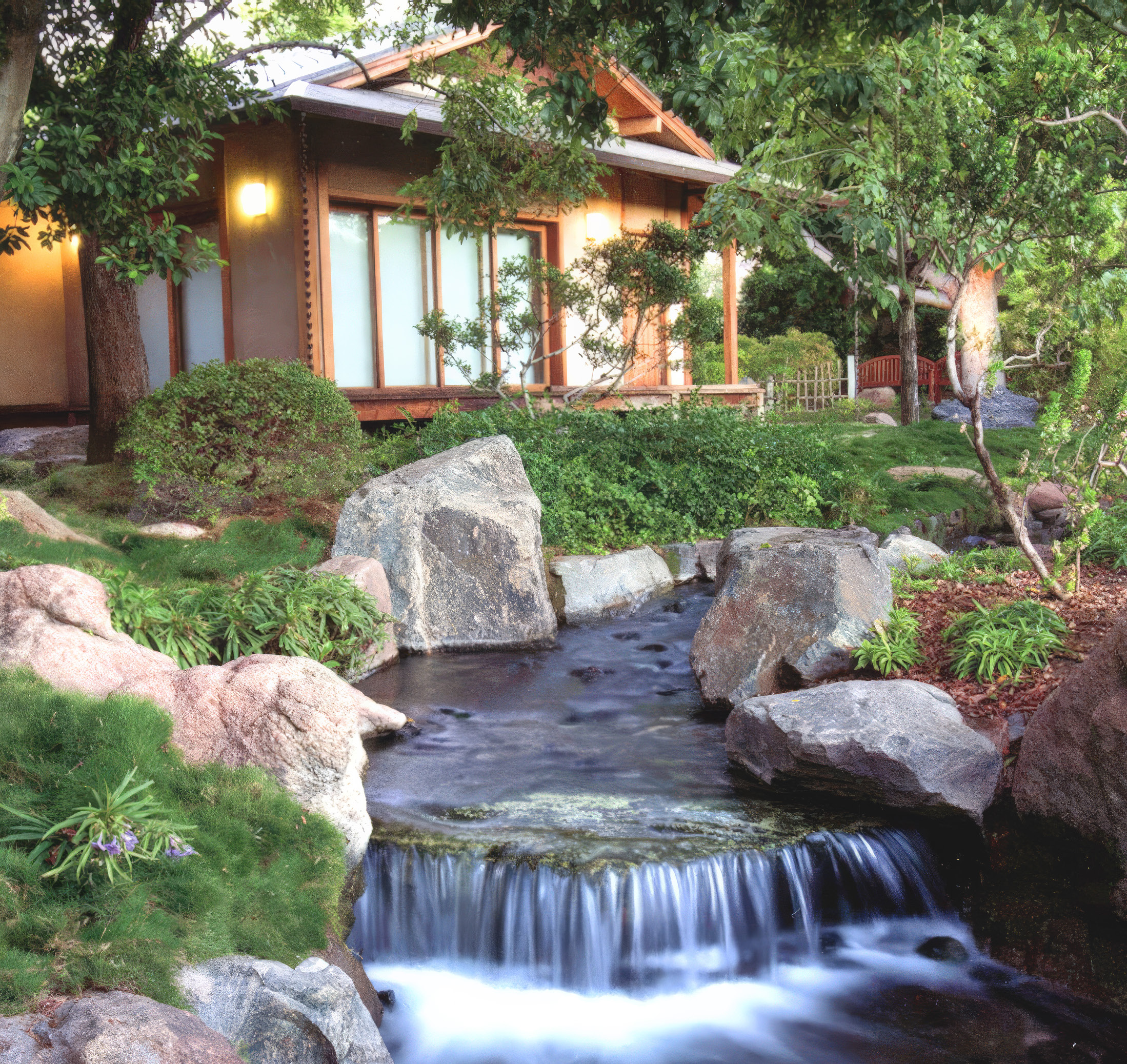
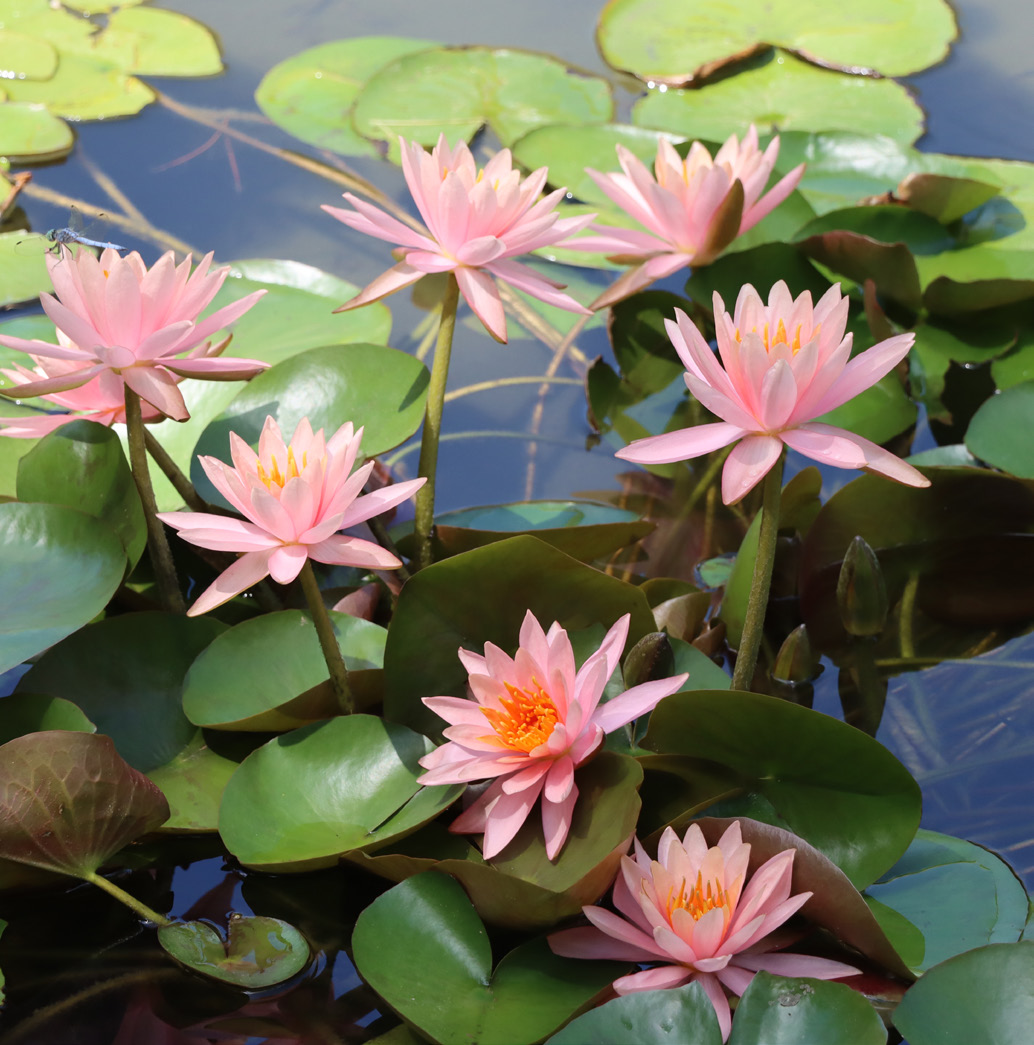
Today, RoHoEn stands as a living work of art and a growing cultural institution. Visitor numbers have surged from 30,000 annually to over 125,000 in recent years, thanks in part to an expanded calendar of immersive experiences and educational programs.
“Japanese gardens are living art spaces,” Schrepf said. “But they’re also platforms for cultural exchange.”
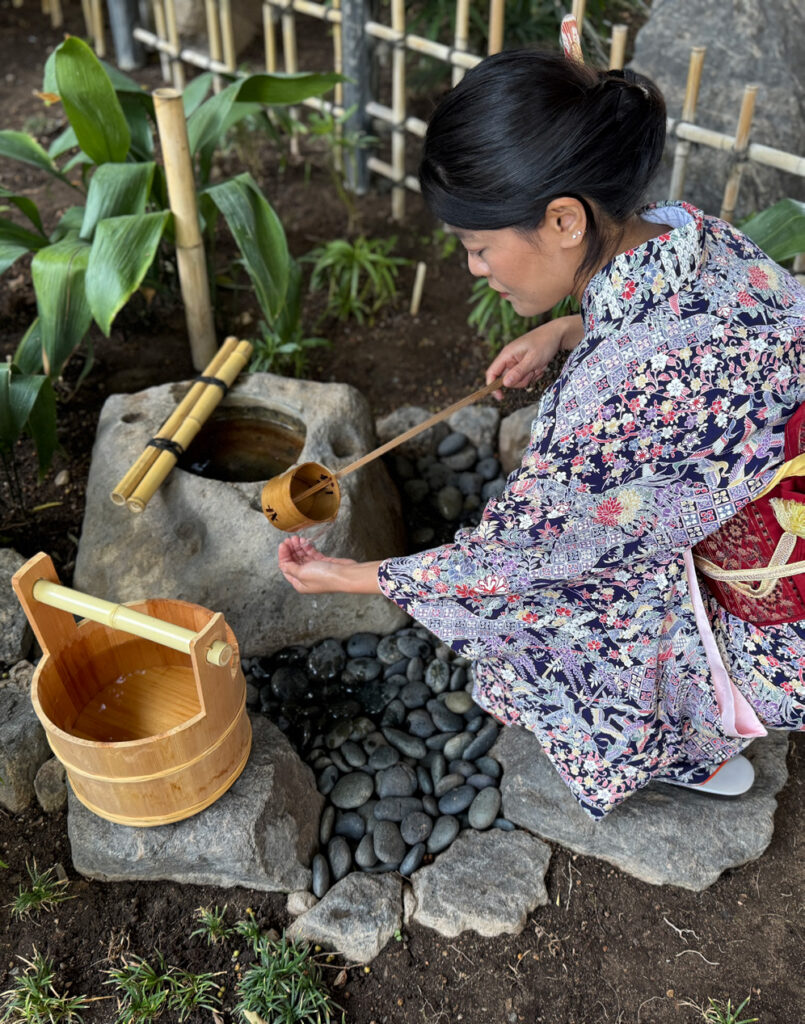
Chief among these experiences is the traditional tea ceremony. Held in the garden’s intimate tea house, this ritual invites guests to partake in a timeless act of hospitality that embodies harmony, purity and tranquility.
“It’s not about the tea,” Schrepf said. “It’s about shedding distractions, being in the moment and connecting with others.”
For those seeking even deeper immersion, the garden offers moon-viewing nights (tsukimi), forest bathing (shinrin-yoku), tai chi, Japanese cooking classes, and a fun JFG Kids Club for families. The garden also sends cultural outreach teams into local schools (especially Title I campuses) to introduce children to origami, ikebana (flower arranging) and Japanese customs.
What ties it all together is intention. Zigzagging paths make you shift your view. Stepping stones match your natural stride, guiding your pace. Even the placement of stones (called temba) ensures you always see their most balanced, “harmonious” face. It all leads to a single goal: helping guests feel at peace.
The plants reflect that same balance. Instead of trying to grow traditional Japanese flora that can’t handle the Arizona heat, the team works with desert-adapted species that mimic the look and feel.
“We use dwarf yaupon holly and compact myrtle instead of azalea, because they thrive in our soil and still evoke the same shapes,” Schrepf said.
What’s most inspiring is how the garden keeps growing — not just in size or popularity, but in purpose. A new generation of gardeners, trained under Schrepf and inspired by Japan’s deep gardening traditions, is taking the reins. Their mission? To give every visitor more than a pretty walk. They want to offer something meaningful — a way to feel grounded, restored, connected.
“This garden is a gift,” Schrepf said. “Whether you’ve been to Japan or not, we want you to feel like you’ve experienced something truly meaningful.”
For Phoenix locals and newcomers alike, the Japanese Friendship Garden is a quiet counterbalance to the city’s energy — a gentle reminder that beauty, when mindfully designed, can settle the soul.
To learn more, visit japanesefriendshipgarden.org.
