
Echoes in the Dust
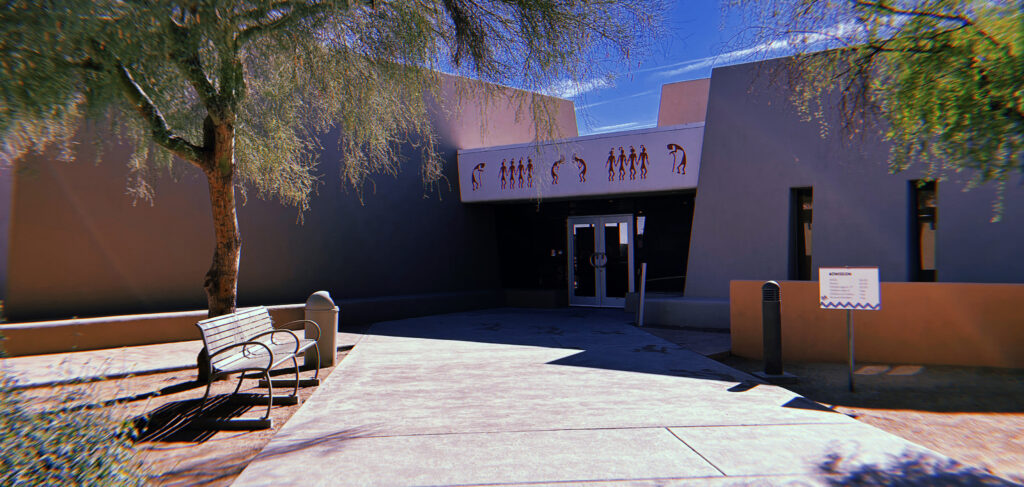
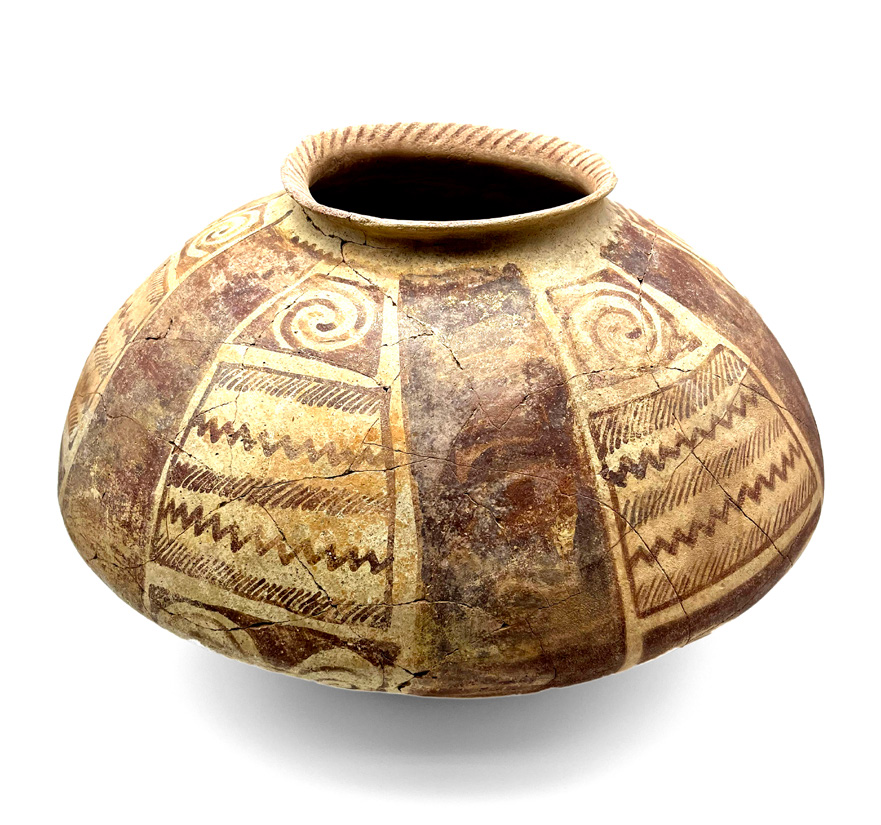
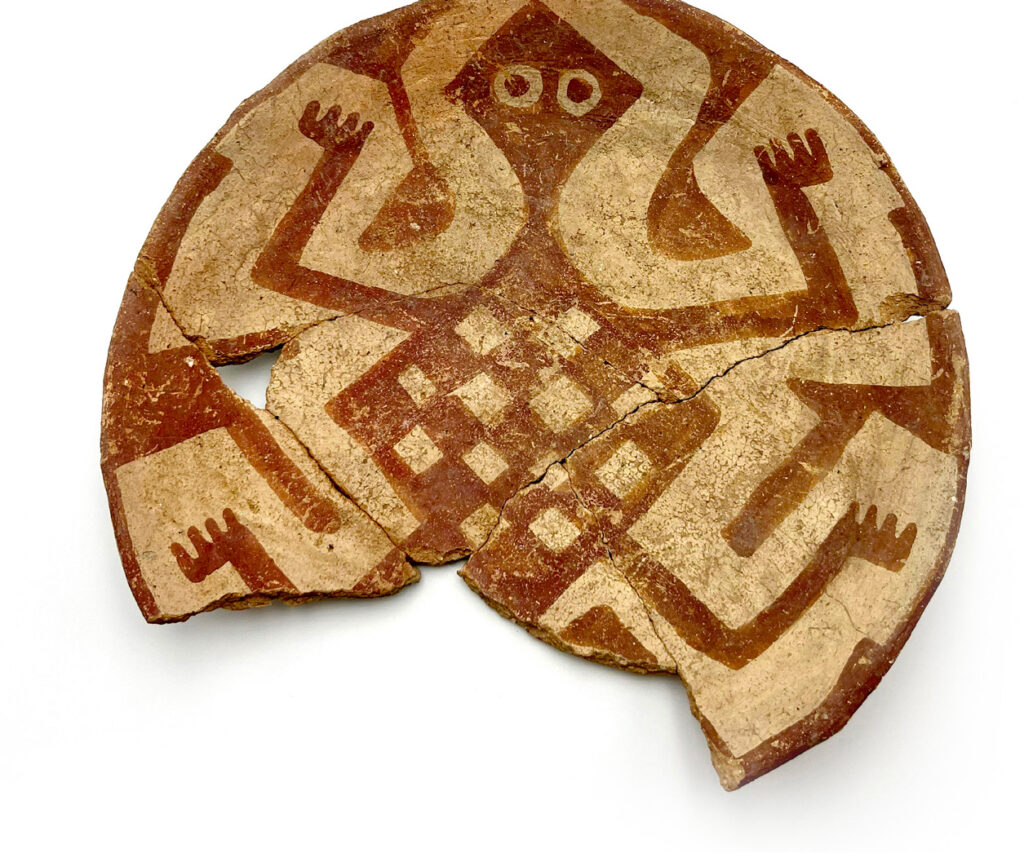
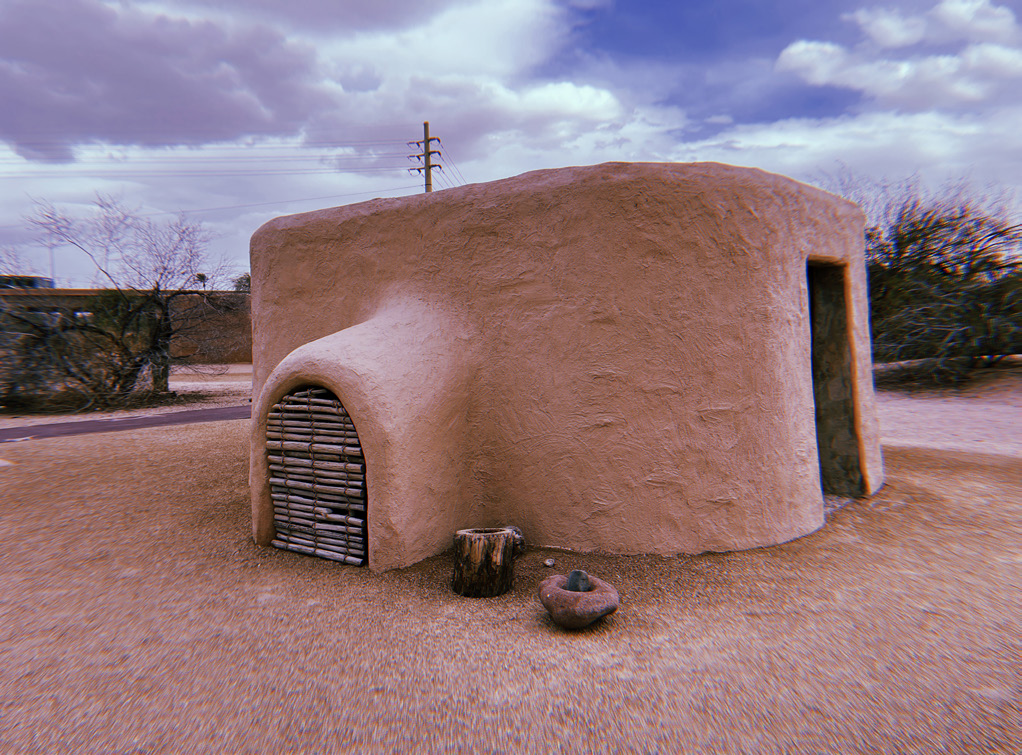
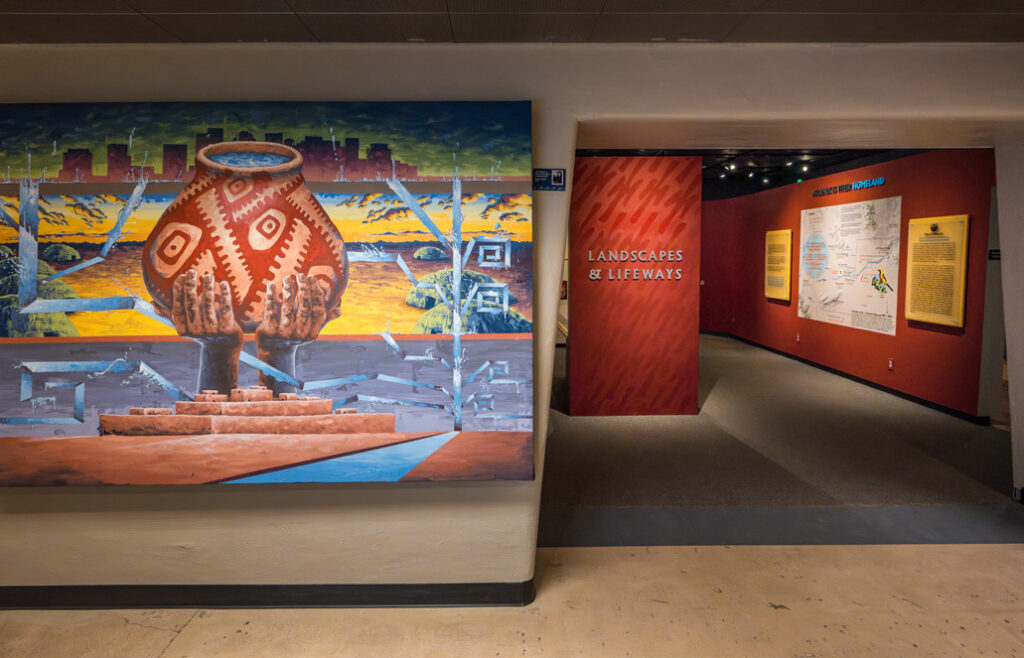

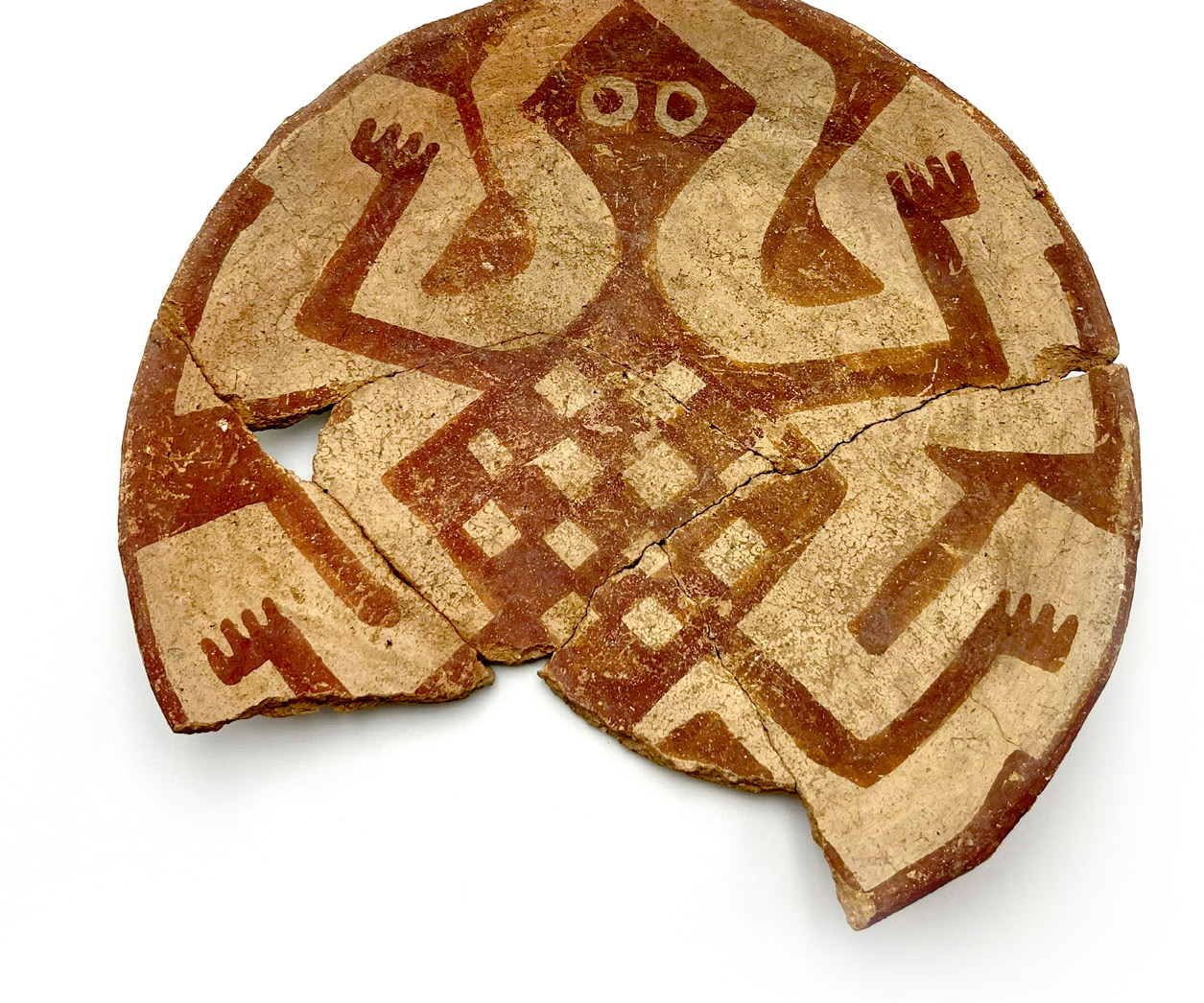
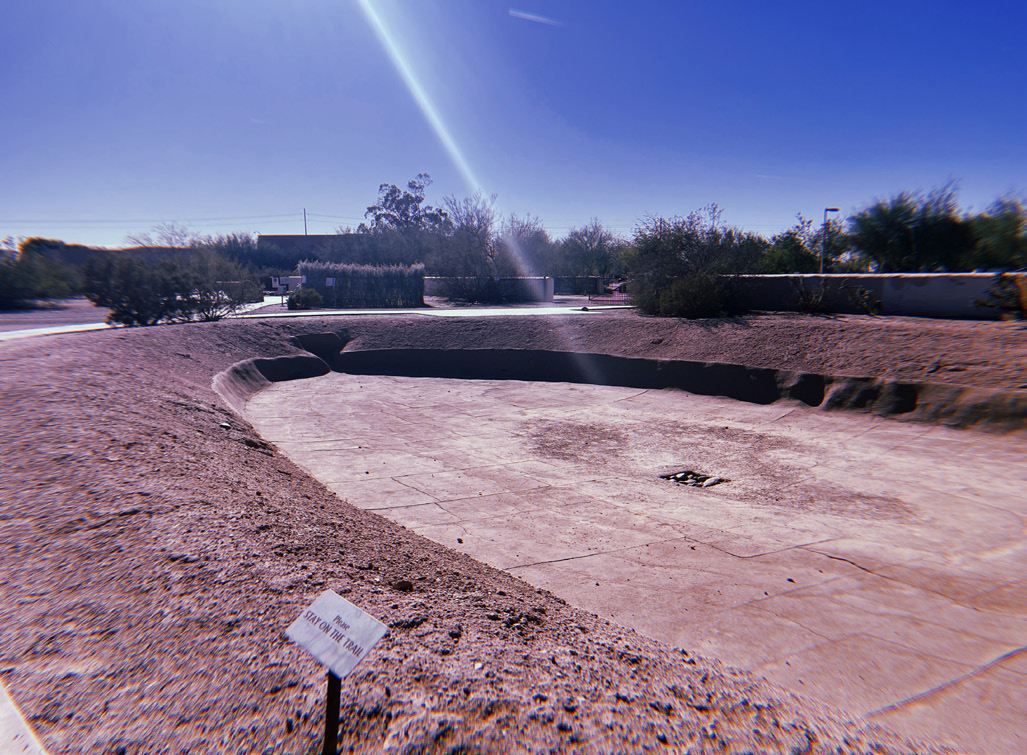
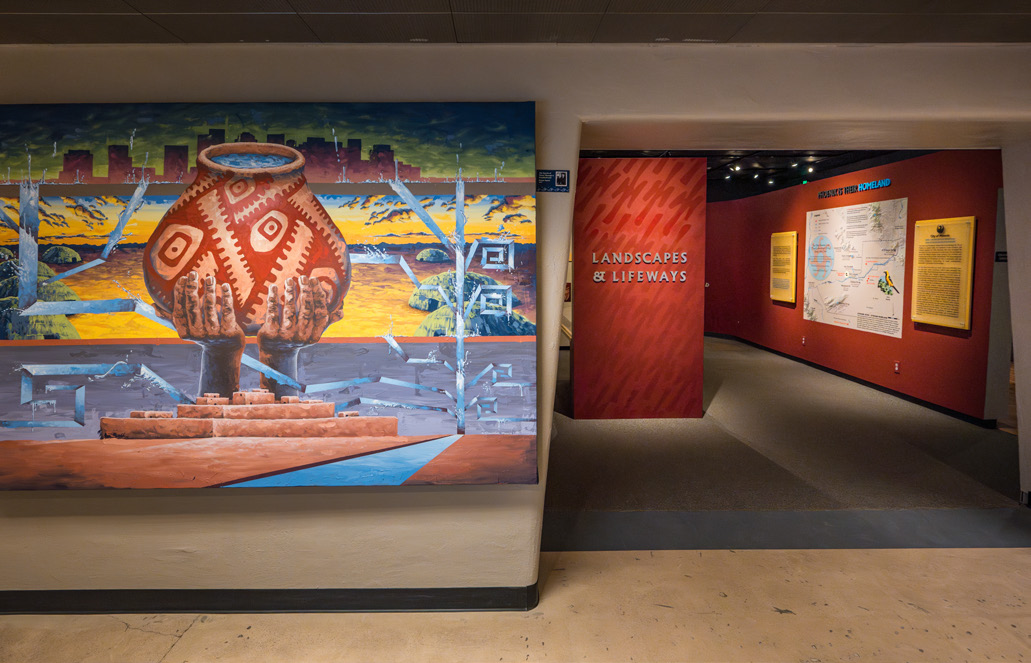
Beneath the roar of jets at Phoenix Sky Harbor, an entirely different story of arrival and departure unfolds. Here lies the S’edav Va’aki Museum, a site that holds the 1,500-year-old ghost of a civilization. You’ve likely driven past it a million times. But to venture inside is to confront a profound question about our own existence in the Valley of the Sun.
A designated Phoenix Point of Pride, the museum has been stewarded by the City of Phoenix since its founding in 1929, serving as an official guardian of a history that long predates the modern metropolis. Today, with vital support from the nonprofit S’edav Va’aki Museum Foundation and Arizona’s tribal nations, its mission is to prove that these are more than just ruins.
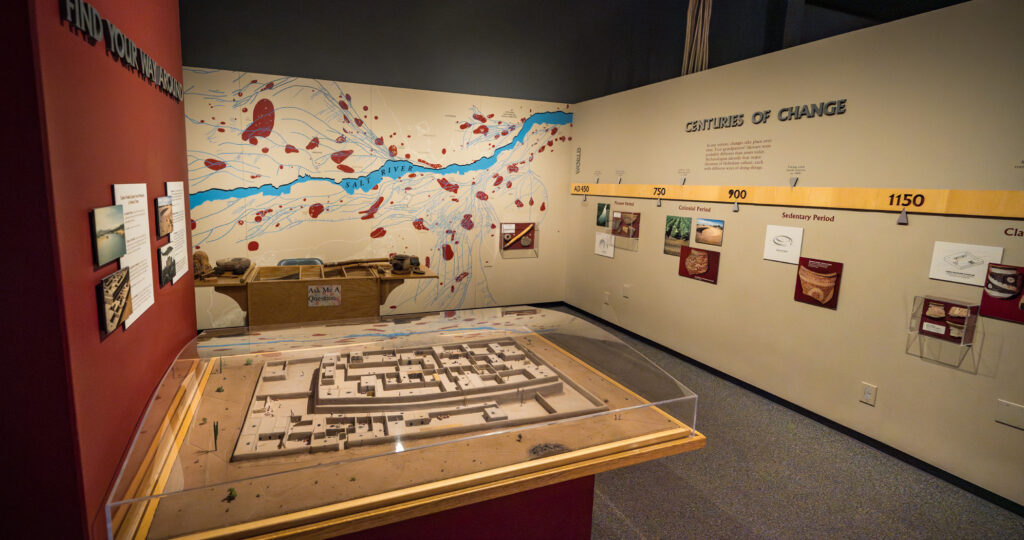
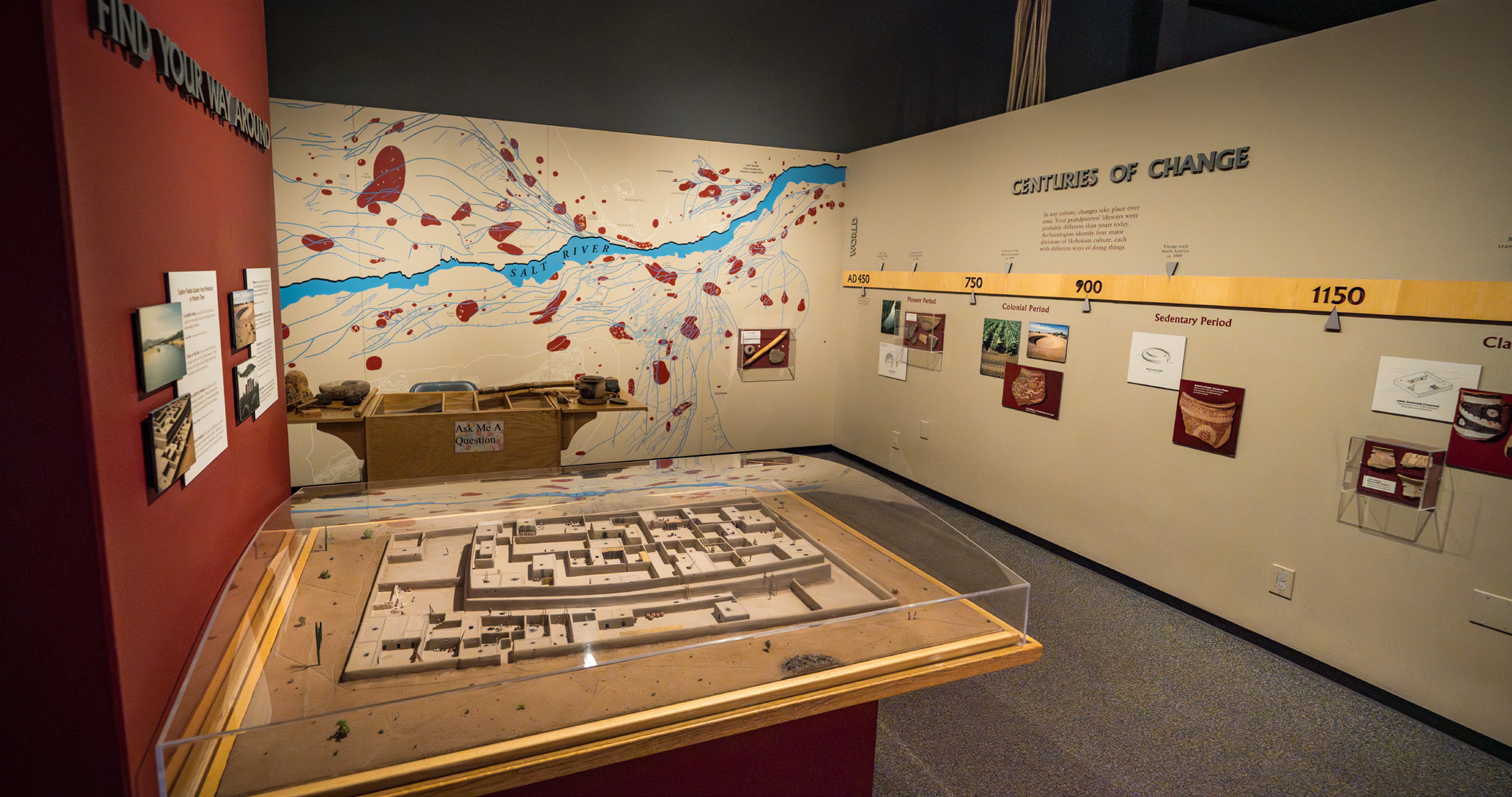
First, some background. Long before European explorers and others came to our country, ancestral desert dwellers known to us as the Hohokam people — although more accurately referred to as the O’Odham people — inhabited the area we now know as Phoenix. A map inside the museum reveals its staggering scale, a network of villages connected by a singular, life-giving achievement: the canals.
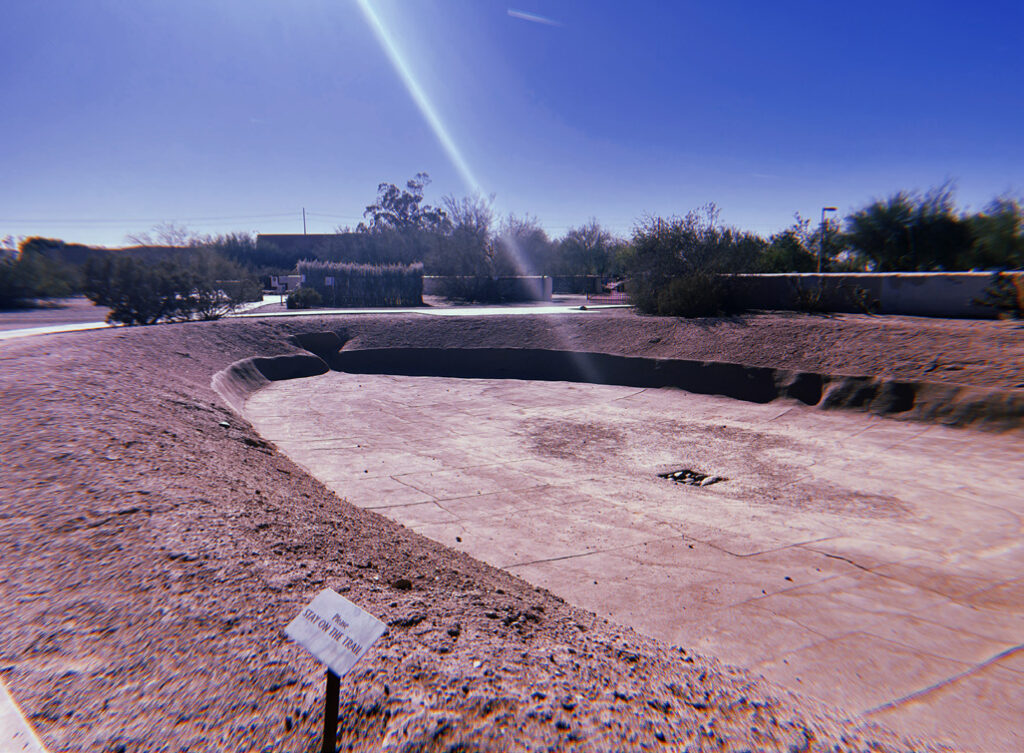
The ancestral O’Odham cultivated this harsh landscape by building hundreds of miles of intricate canals to transport water from the Salt River, which flowed year-round back then. This system, the largest of its kind in pre-Columbian North America, transformed the desert into a lush, agricultural heartland, allowing for the farming of corn, beans and squash.
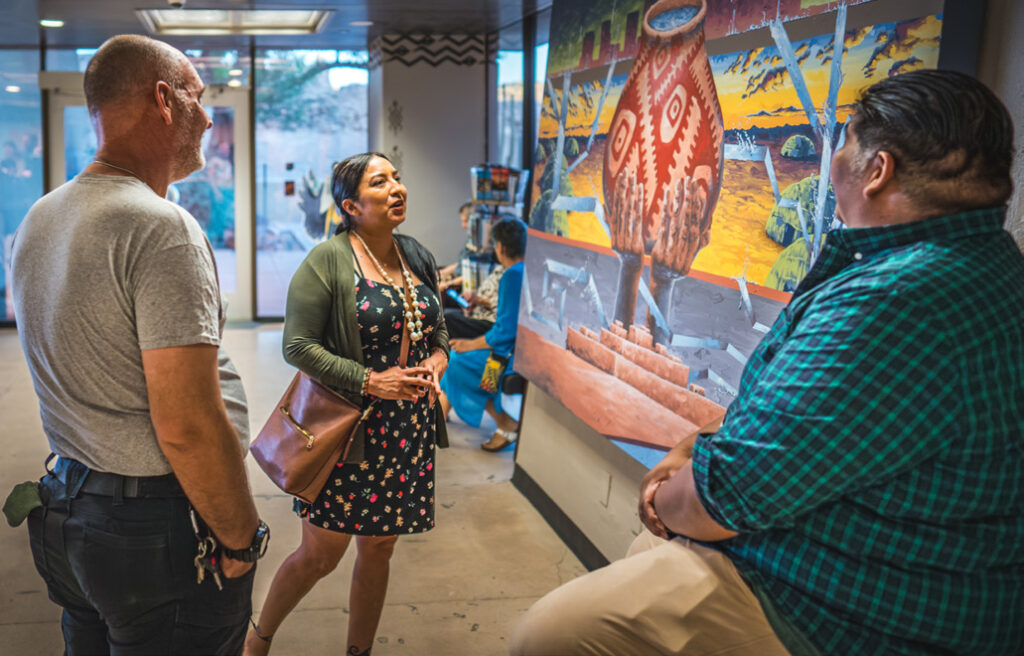
“The reason why Phoenix exists is because of the canal system,” said Nicole Armstrong-Best, the museum director. “Because if there was no water, there’d be no life. When the canals were in their original state, everything was green, and it was a riparian site.”
Then, in the mid-1400s, something strange happened. After more than a millennium of continuous settlement, the ancestral O’Odham walked away from it all, leaving their villages, their fields and their monumental canals to the desert. The exact reason remains one of the Southwest’s great archaeological mysteries, though Armstrong-Best has an educated guess.
“It was a very crazy time,” she said. “The Apaches were coming in from the east. There were issues between them and the Pueblo people. Of course, in the 1500s, the Spanish came through. There was a huge flood in the 1300s, followed by a drought. The archaeologists can argue, but my personal opinion is it was stress upon stress upon stress.”
Listening to this history inside the museum, you don’t have to look far for the modern parable. The story of the O’Odham is a haunting reflection of the dilemmas we face now with climate change, resource management and social cohesion. Their experience serves not just as a cautionary tale, but as a framework for understanding our own fragility.
This lesson is not lost on the museum’s leadership. For Carmen Guerrero, treasurer of the S’edav Va’aki Museum Foundation board, the site’s power lies in its cyclical history of catastrophe and resilience.
“I marvel at the fact that there’s so much history at the museum, like when the O’Odham had a drought, when they had a flood and how it comes back again, because we don’t control our weather, and it can be very destructive,” Guerrero said. “I feel like this museum sets the base of understanding of the power of water, and the fact that we should value what we have and be prepared for whatever’s going to come.”
Her words find a direct echo in the museum’s core mission, which centers on the delicate balance between water, land and people. The central question, as Armstrong-Best frames it, is about human endurance in the face of environmental betrayal.
“How much work does it take to clean out a canal after a flood or to re-dig a new canal because that segment is too full?” she asked. “What happens when all that work is not paying off for you for whatever reason? How long does it take before you decide to walk away from that infrastructure? This is one of the stories we really want to tell when we redo the main gallery.”
This is the human story the renovated galleries — set to reopen on Sept. 25 — are designed to tell. It is a narrative about the immense labor required to sustain life in an unforgiving climate, and the breaking point at which a society might abandon its greatest achievements. As Armstrong-Best concludes, the lesson is both ancient and urgent.
“We want to get across to our visitors that this is a very human story,” she said. “It happened in our pre-history, it happened in more recent history, and it is happening right now.”
For more information, visit svmfoundation.org.

Tom Evans is Contributing Editor and Chief Operating Officer of Frontdoors Media.